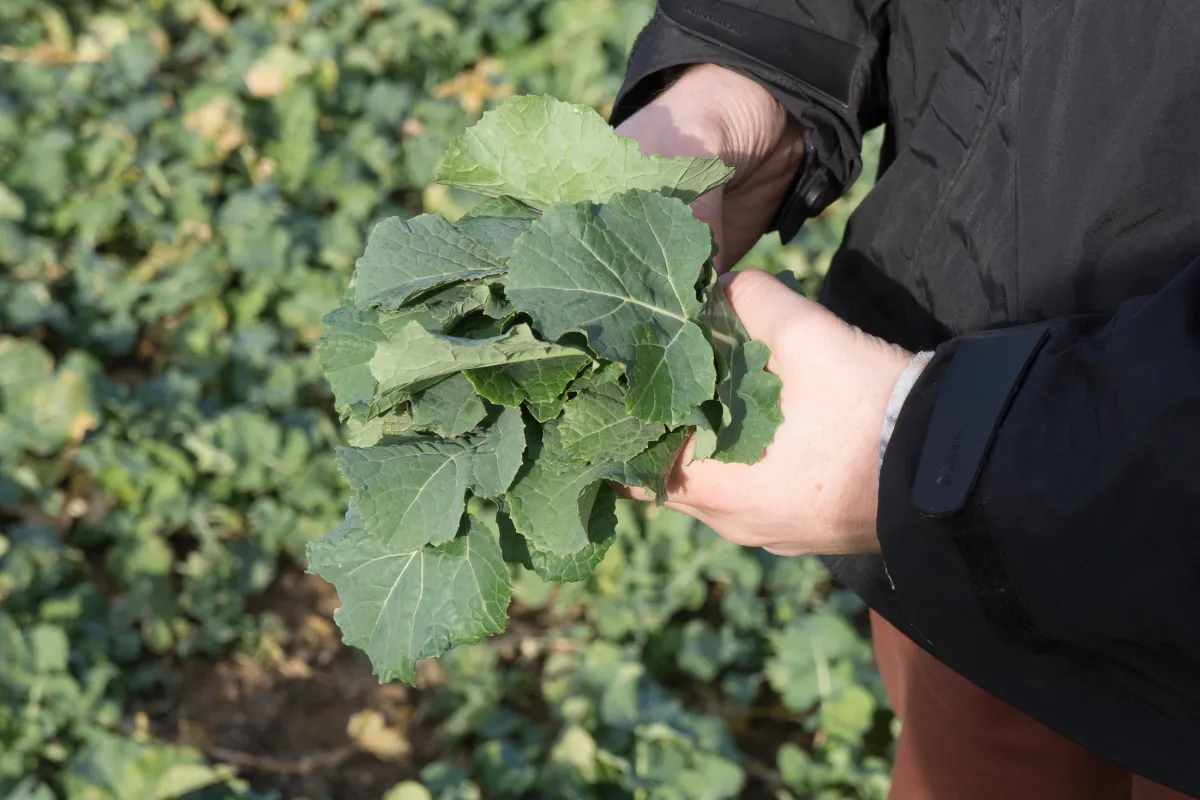
Dense oilseed rape canopies can intercept propyzamide before it reaches its target. Discover how Silwet L-77 helps improve spray delivery to the soil, with trials demonstrating up to 8 percentage points more black-grass control.
With autumn propyzamide applications underway, getting the most from residual grass-weed control in oilseed rape depends on more than choosing the right application timing.
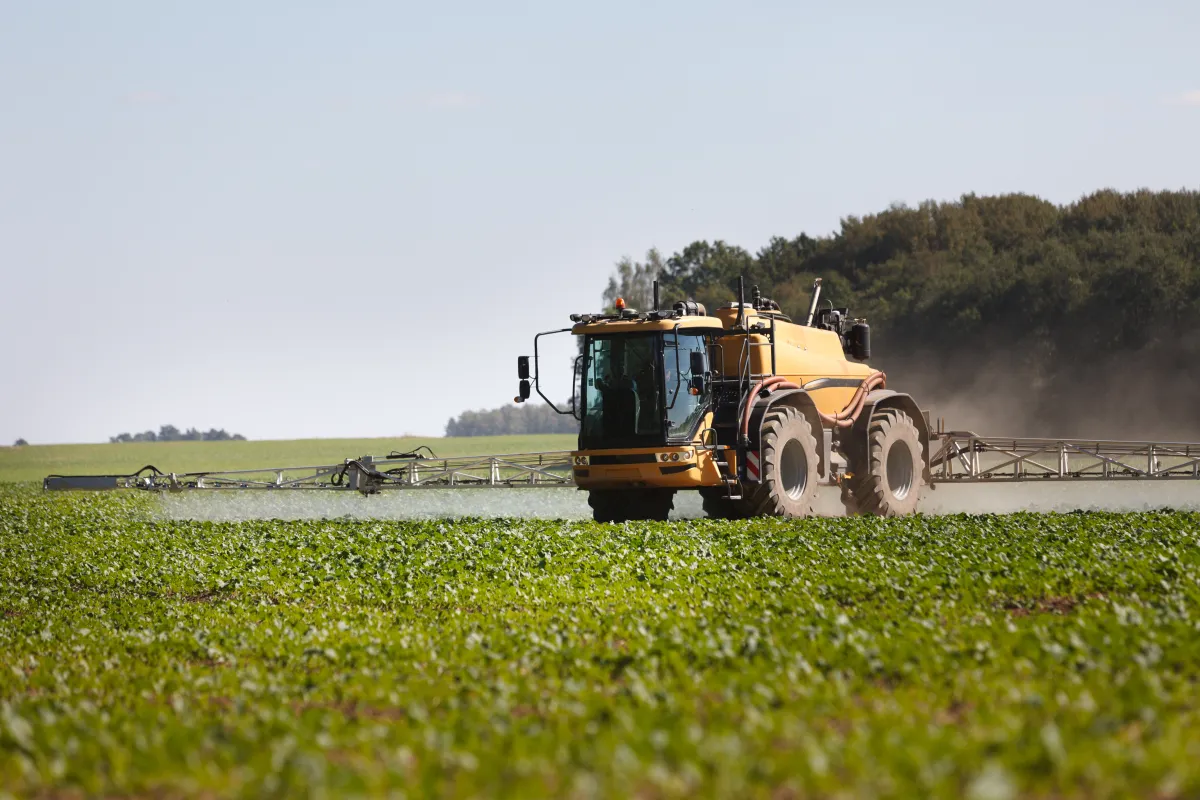
Propyzamide is a soil-acting residual herbicide, taken up through the roots of susceptible grass-weeds. To work effectively, it needs to reach the soil – not remain on the crop canopy.
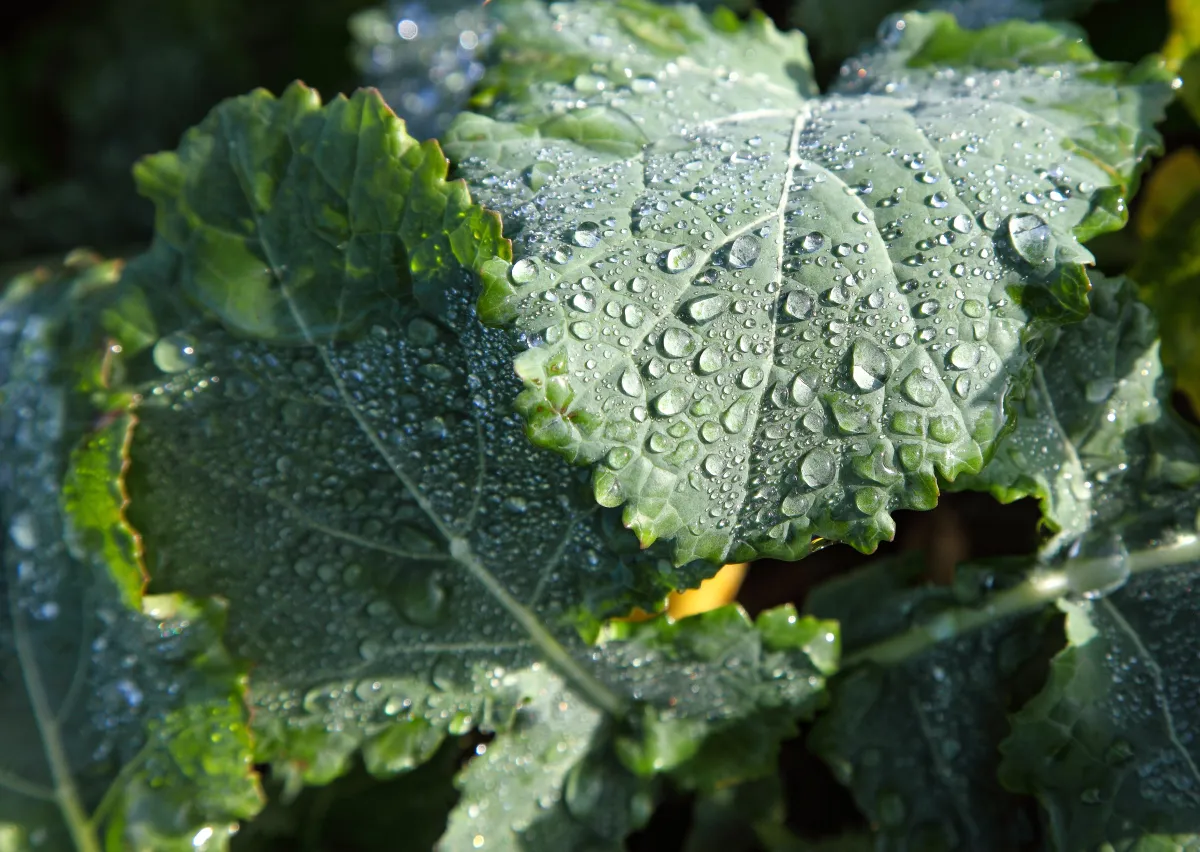
In well-established oilseed rape, dense canopies and waxy leaves can intercept spray before it reaches the ground. Improving spray movement from the leaf to the soil is therefore an important consideration.
The leaf isn't the target. The soil is.
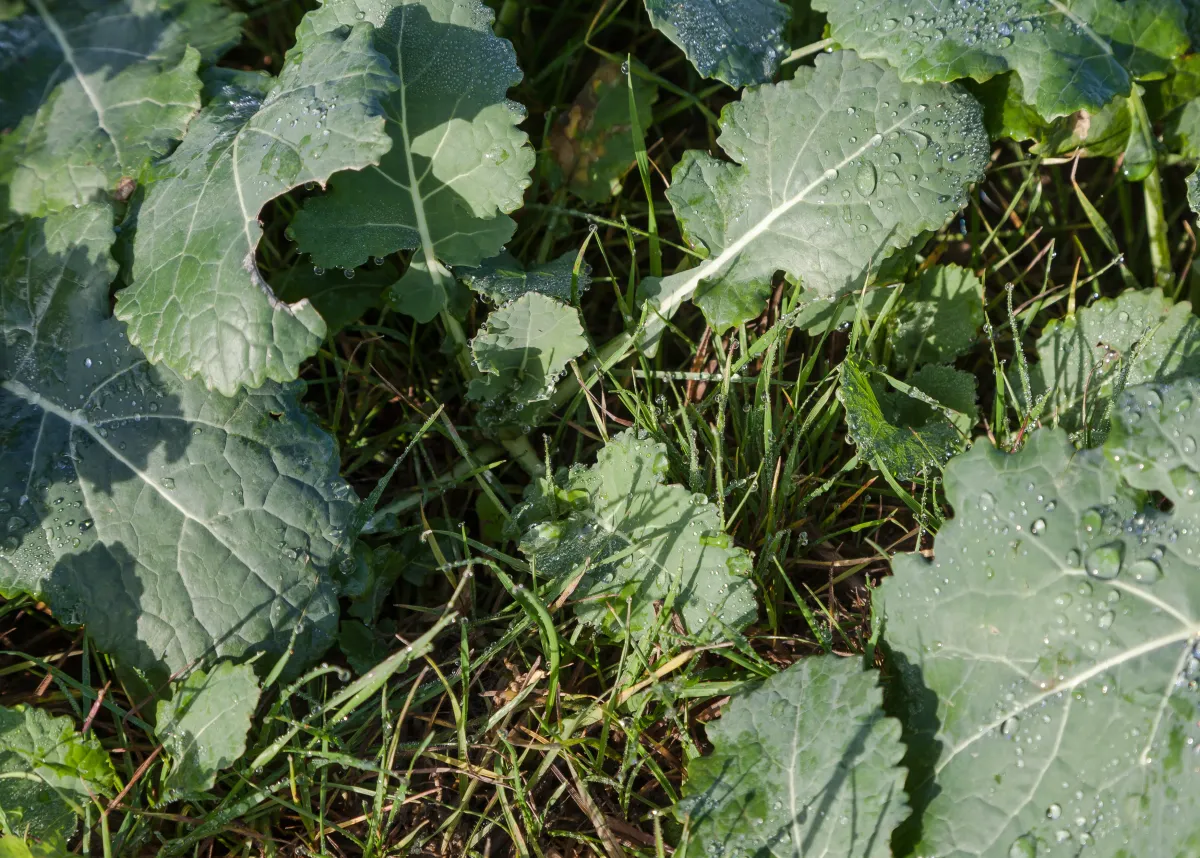
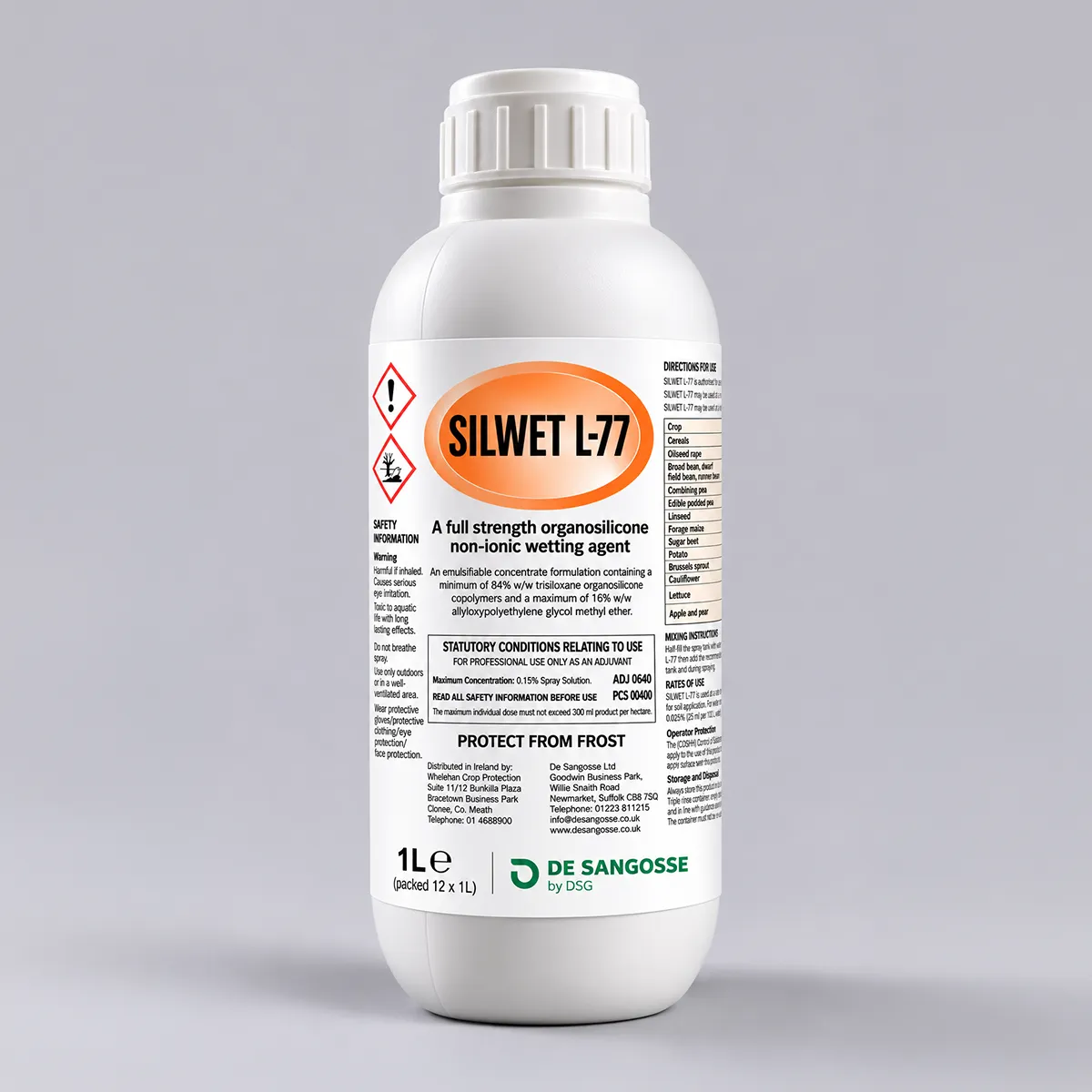
Silwet L-77 is an organosilicone super-spreader that significantly reduces spray surface tension, helping droplets spread across waxy oilseed rape leaves rather than bead on the surface.
By promoting spray run-off from the crop canopy towards the soil, Silwet L-77 helps propyzamide reach the zone where it delivers its residual grass-weed control.
Overcoming the waxy leaf barrier: Reduces surface tension to promote spreading across OSR foliage.
Improving spray delivery to the target: Encourages spray movement off the leaf and towards the soil surface.
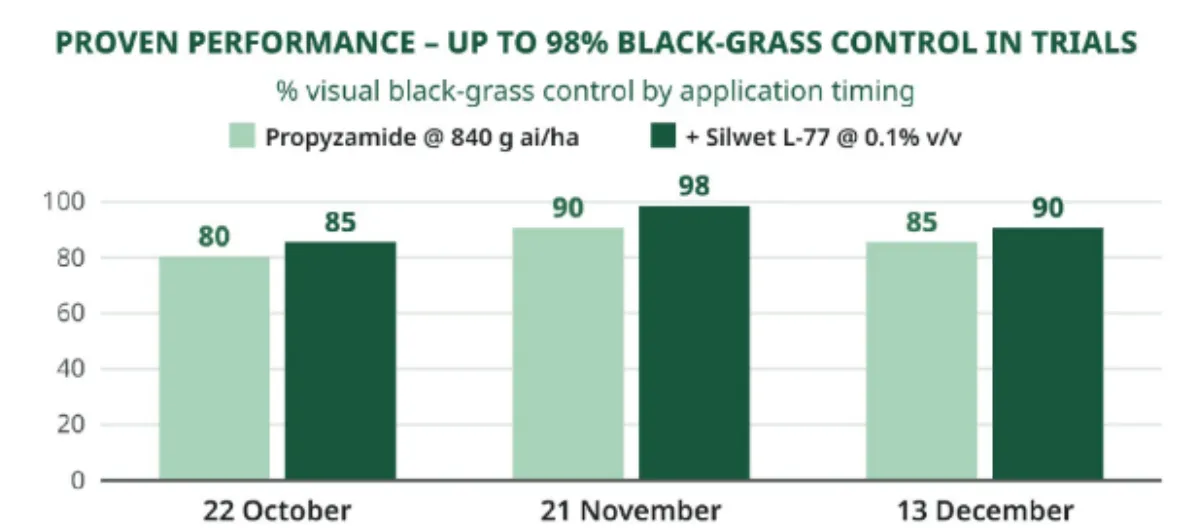
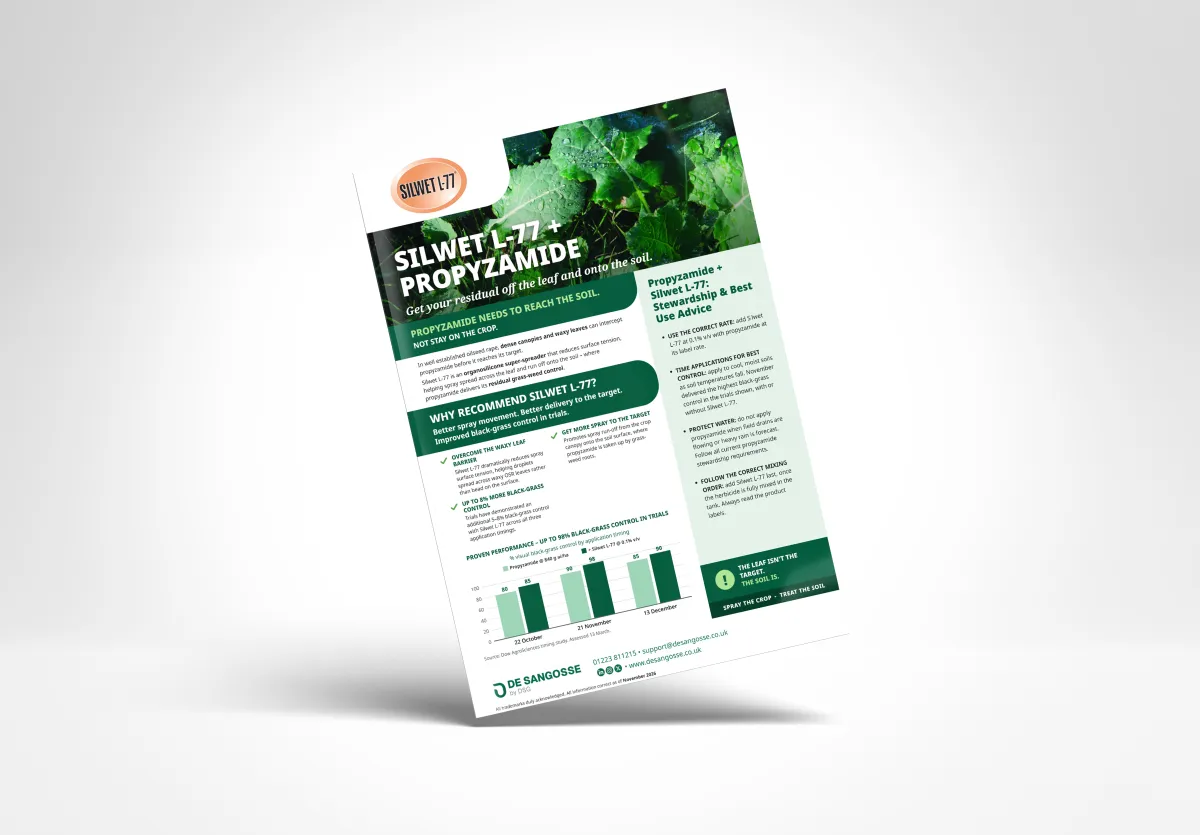
Improving black-grass control: Trials have demonstrated an additional 5–8 percentage points of control when Silwet L-77 was added to propyzamide.
Source: Dow AgroSciences timing study. Propyzamide at 840 g ai/ha; Silwet L-77 at 0.1% v/v. Visual black-grass control assessed 13 March.
Dow AgroSciences trials demonstrated improved black-grass control with Silwet L-77 across three autumn application timings.
The addition of Silwet L-77 increased visual black-grass control by 5–8 percentage points compared with propyzamide alone.
The highest level of control was achieved at the November timing, increasing from 90% with propyzamide alone to 98% with Silwet L-77.
These findings demonstrate the potential value of improving spray delivery to the soil, alongside appropriate application timing.
Getting propyzamide to the soil is only part of achieving effective grass-weed control. Correct application timing, suitable soil conditions and protecting water are equally important.
Propyzamide performs best when applied to cool, moist soils as temperatures fall. However, applications must be carefully planned to minimise the risk of herbicide movement into watercourses.
Soil conditions: Apply to cool, moist soils, following product label recommendations
Rainfall and drainage: Avoid applications when field drains are flowing or heavy rainfall is forecast.
Field conditions: Assess the risk of surface run-off and movement into nearby watercourses.
Application practice: Follow approved rates, product labels and tank-mix instructions.
The Dow AgroSciences trials also demonstrated that application timing influenced overall control, with November delivering the strongest results both with and without Silwet L-77.
For detailed guidance on responsible propyzamide use, including application timing, water protection and field conditions, visit:
Corteva also provides access to its Kerb Weather Data decision-support tool to help inform application decisions.
Discover how Silwet L-77 can help improve propyzamide spray delivery, supported by black-grass control trial results and practical application advice.
DOWNLOAD THE TECHNICAL SHEETFor further information on Silwet L-77 and its use with propyzamide, contact the De Sangosse UK technical team.