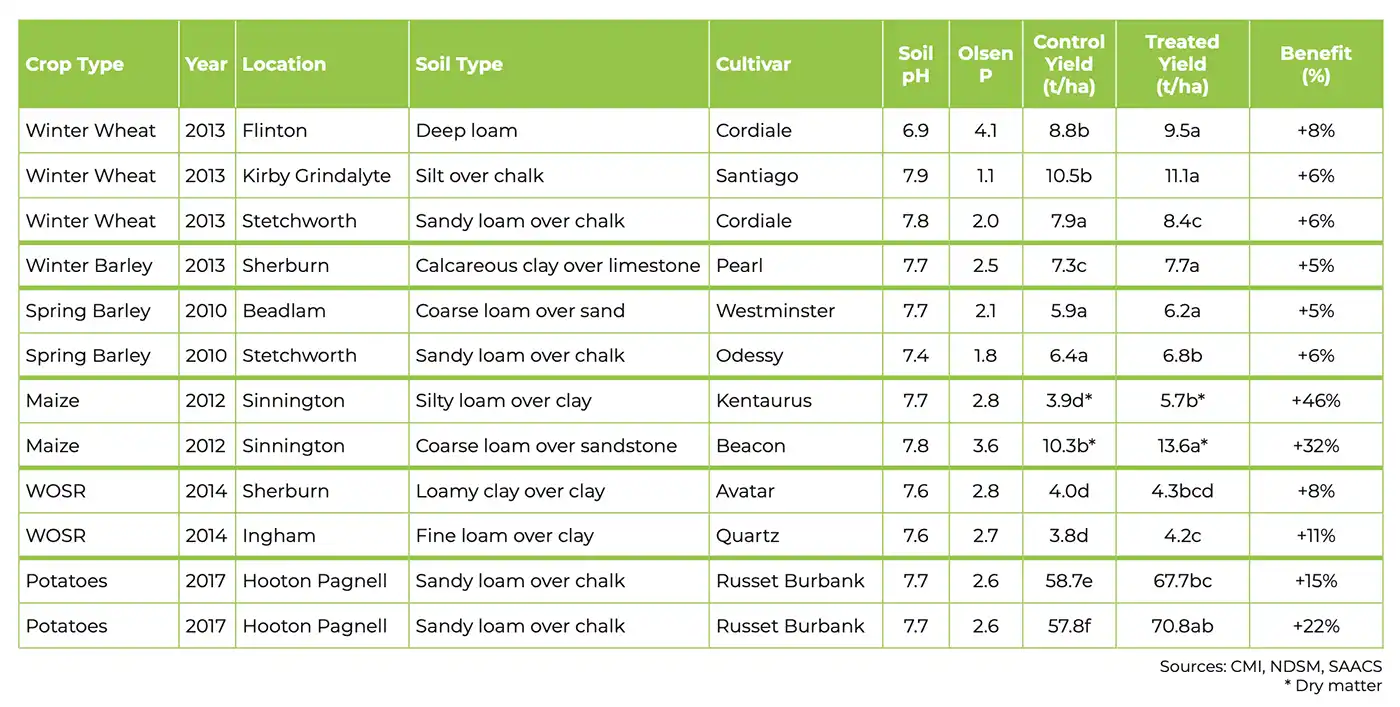

Improving how crops access phosphorus (P), rather than simply increasing phosphate fertiliser application, is critical to both farm productivity ...
Read more →
Protect
Maintain nutrient availability.

Modern nutrient management isn't simply about how much nutrient is present within the soil. It's about ensuring nutrients remain available, accessible and usable by the crop when they are needed most.
Many UK soils contain significant nutrient reserves, yet crops can still struggle to establish, root and perform as expected because nutrients are unavailable, inaccessible or poorly utilised.
De Sangosse Soil Nutrient Solutions are designed to support nutrient efficiency by helping crops make better use of both applied nutrients and existing soil reserves.
Explore the Phosphate Stewardship Hub →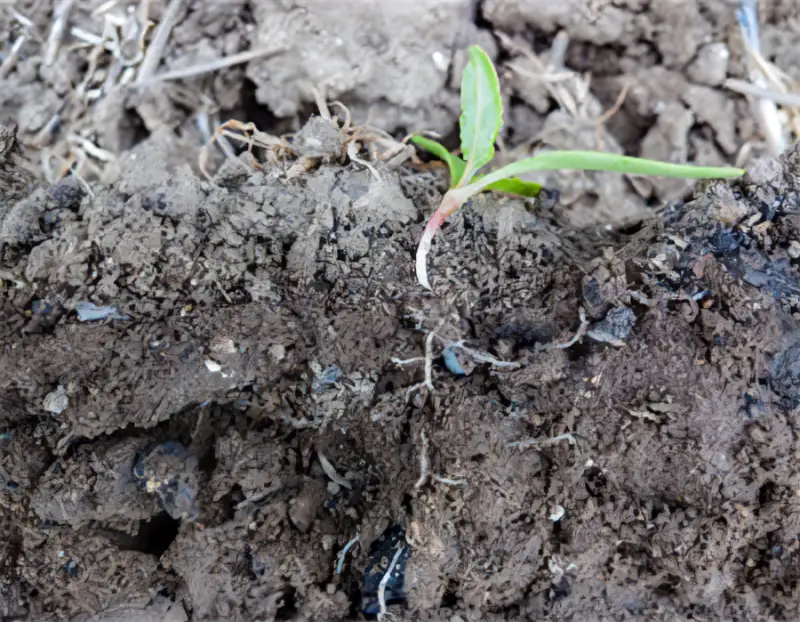
Nutrient performance is often limited by three key factors:
Availability - Nutrients may be present within the soil but unavailable to the crop.
Access - Roots may struggle to physically reach nutrients
Utilisation - Valuable nutrient reserves may already exist within the soil but remain inaccessible to crops.
The result is often disappointing crop performance despite significant nutrient investment.
 Explore the Phosphate Stewardship Hub →
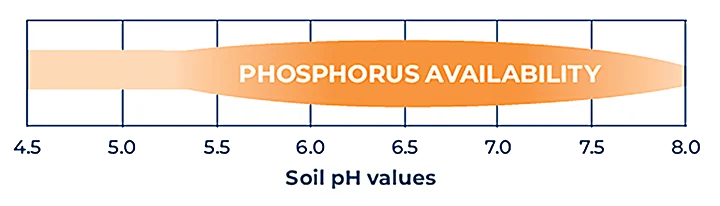
When soluble phosphate fertilisers enter the soil, they react with naturally occurring cations:
The result? Fertiliser remains in the soil, but crops can’t access it without help.
Different limitations require different approaches.
De Sangosse technologies support the stewardship principles of:
Maintain nutrient availability.
Position nutrients where roots can access them.
Improve utilisation of existing soil nutrient reserves.
Not every nutrient challenge has the same cause.
Some crops struggle because nutrients become unavailable within the soil.
Others because roots cannot access nutrients efficiently during establishment.
For this reason, De Sangosse technologies focus on two complementary approaches:
Soil Nutrient Activators - Improve nutrient availability and utilisation.
Protected Microgranular Fertilisers - Improve nutrient access during establishment.
Protect + Unlock
Many soils contain substantial nutrient reserves that remain unavailable to crops. Soil Nutrient Activators improve nutrient availability, helping crops access existing reserves whilst supporting the efficiency of newly applied nutrients.
Protect + Place
During establishment, crops have limited root systems but high nutrient demand. Protected Microgranular Fertilisers position protected nutrients within the active rooting zone, improving access during critical stages of crop development.
For product information and availability, speak to your agronomist or distributor. Alternatively, please get in touch with us directly.
 Beans
Beans
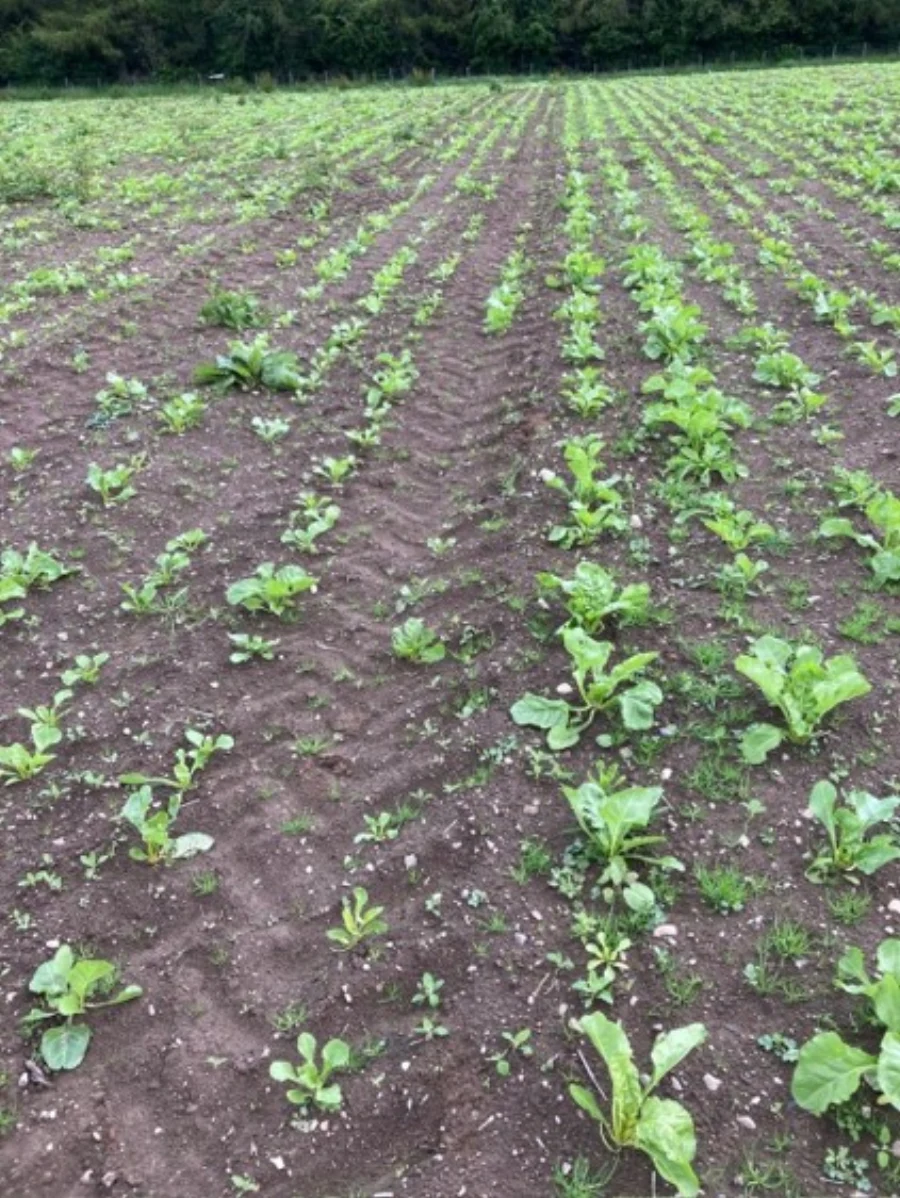 Sugar Beet
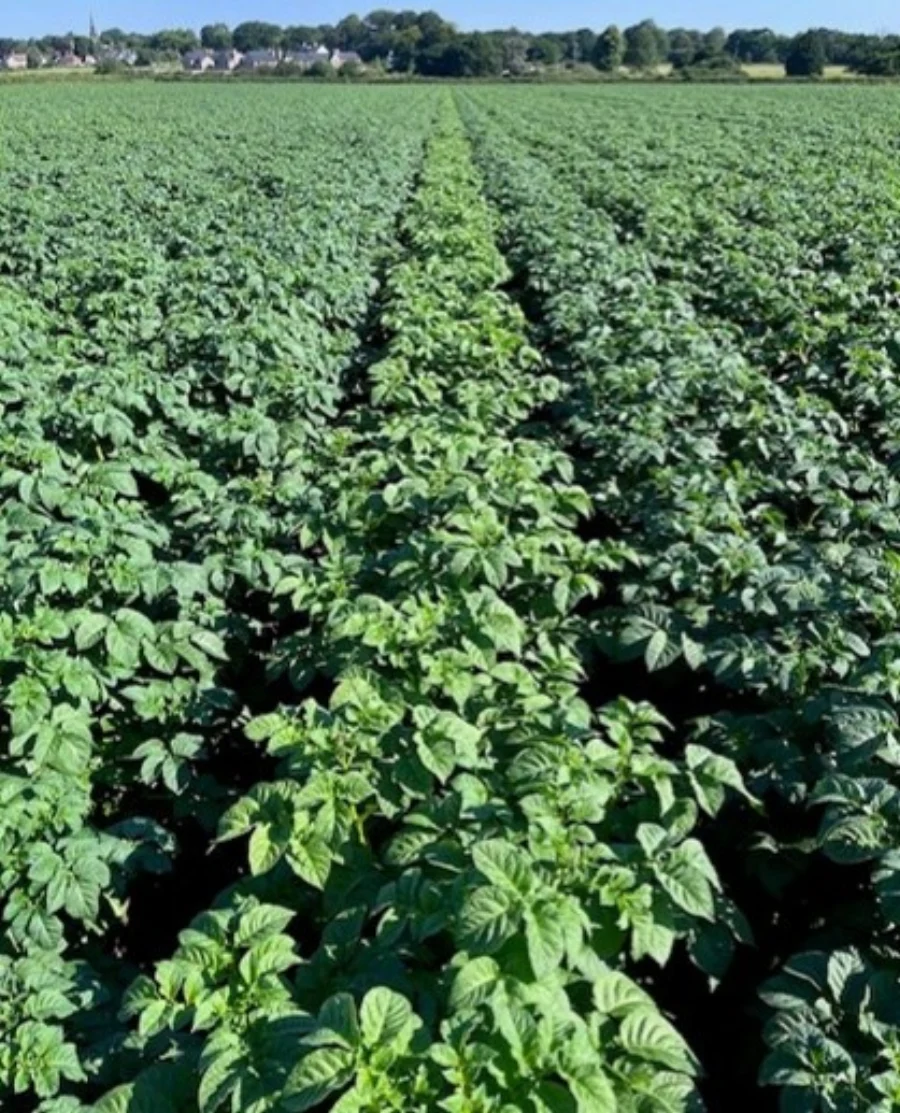 Potatoes
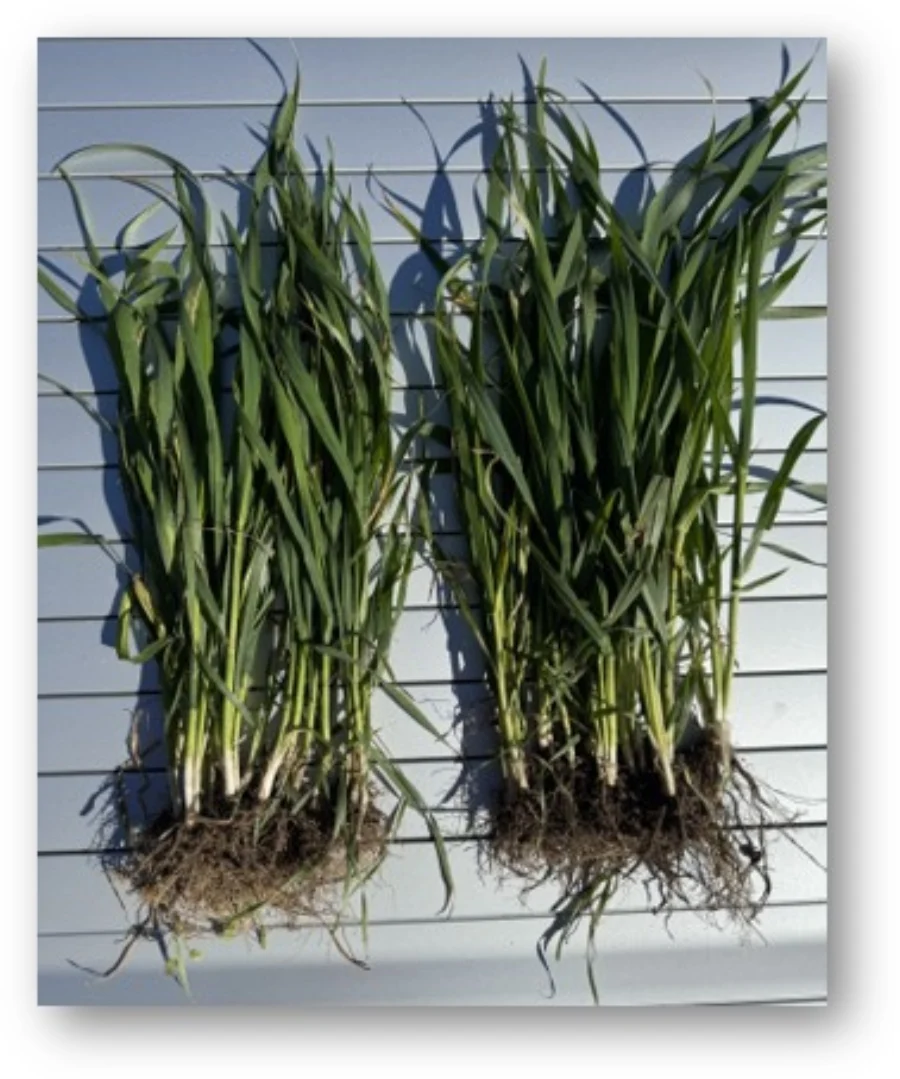 Wheat
Wheat
Designed to:
Designed to:
| If you're seeing… | The challenge may be… |
Technology Approach |
|---|---|---|
| Poor fertiliser response | Availability | Soil Nutrient Activators |
| Historic nutrient reserves with disappointing performance | Utilisation | Soil Nutrient Activators |
| High nutrient indices but weak crop response | Utilisation | Soil Nutrient Activators |
| Weak establishment | Access | Protected Microgranular Fertilisers |
| Poor rooting | Access | Protected Microgranular Fertilisers |
| Slow early growth | Access | Protected Microgranular Fertilisers |
| Multiple limitations | Availability + Access | Combined Approach |
Different symptoms often require different solutions. Identifying the likely limitation is the first step towards improving nutrient efficiency.
The Key Message
Don't start with the product. Start with the limitation.

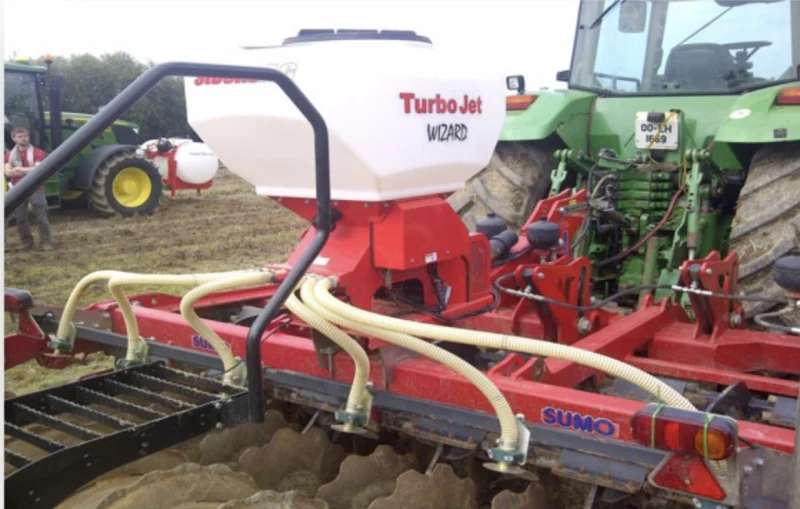
Recent agronomic work has highlighted the importance of phosphorus access during the early stages of crop development when root systems are small and nutrient demand is increasing.
Protected microgranular fertilisers positioned directly within the rooting zone can support rooting, establishment and early vigour by improving nutrient access at the point of greatest demand.
Nutrient efficiency begins with understanding why nutrients become unavailable or inaccessible.
No – they don’t replace base P applications but make fertiliser use more efficient by protecting fresh applications and unlocking historic reserves. That means more value from every tonne applied.
Yes. When straw is removed, you also remove valuable nutrients – including phosphate and key micronutrients – that would otherwise recycle back into the soil. Over time, this can increase pressure on soil reserves. Using Soil Nutrient Activators helps unlock bound phosphate and micros already present in the soil, making up for some of what’s lost with straw removal and supporting more resilient nutrient availability.
Yes. By targeting the same cations that lock up phosphate, Soil Nutrient Activators also improve uptake of trace elements naturally present in your soils, like zinc, manganese and copper.
Early in the season, ideally at or just before crop emergence. This timing is critical because many nutrients, especially phosphorous, are locked in the soil early on. Activators release these nutrients when crops need them most for root development, early growth, and stress resilience. Giving crops access to nutrients from the very start sets them up for stronger growth and maximises yield potential.
No. Soil Nutrient Activators don’t strip the soil – they make locked-up phosphate and micronutrients available when the crop needs them. Phosphate remains in dynamic equilibrium in the soil, so reserves are constantly replenished from less available pools.
Over time, this approach actually makes better use of both historic applications and new fertiliser inputs, improving long-term efficiency rather than depleting reserves.
Yes. Crops need a minimum amount of phosphate in their tissues to grow efficiently and reach yield potential. While exact numbers vary by crop, typical critical levels are:
Levels below these thresholds can limit rooting, early vigour, and overall nutrient efficiency. Soil Nutrient Activators help crops reach these targets by releasing phosphate from bound pools in the soil.
Bottom line:
For annual crops, it is advised to treat at or before emergence. A key and unique advantage of De Sangosse Ferric Phosphate is that it can be applied from 7 days before sowing/planting after seedbed preparation is complete.
Our blog area shows our latest thoughts and insights from the field. In our news area we share our company news in the landscape of farming today.
Improving how crops access phosphorus (P), rather than simply increasing phosphate fertiliser application, is critical to both farm productivity ...
Read more →At Cereals 2026, De Sangosse brought a bold new perspective to slug control - using one of the most iconic vehicles ever built to start a conversation about ...
Read more →As oilseed rape crops move rapidly towards maturity and spray windows tighten, new approaches to application are helping growers tackle...
Read more →