Protect Clethodim grassweed control from hard water with X-Change

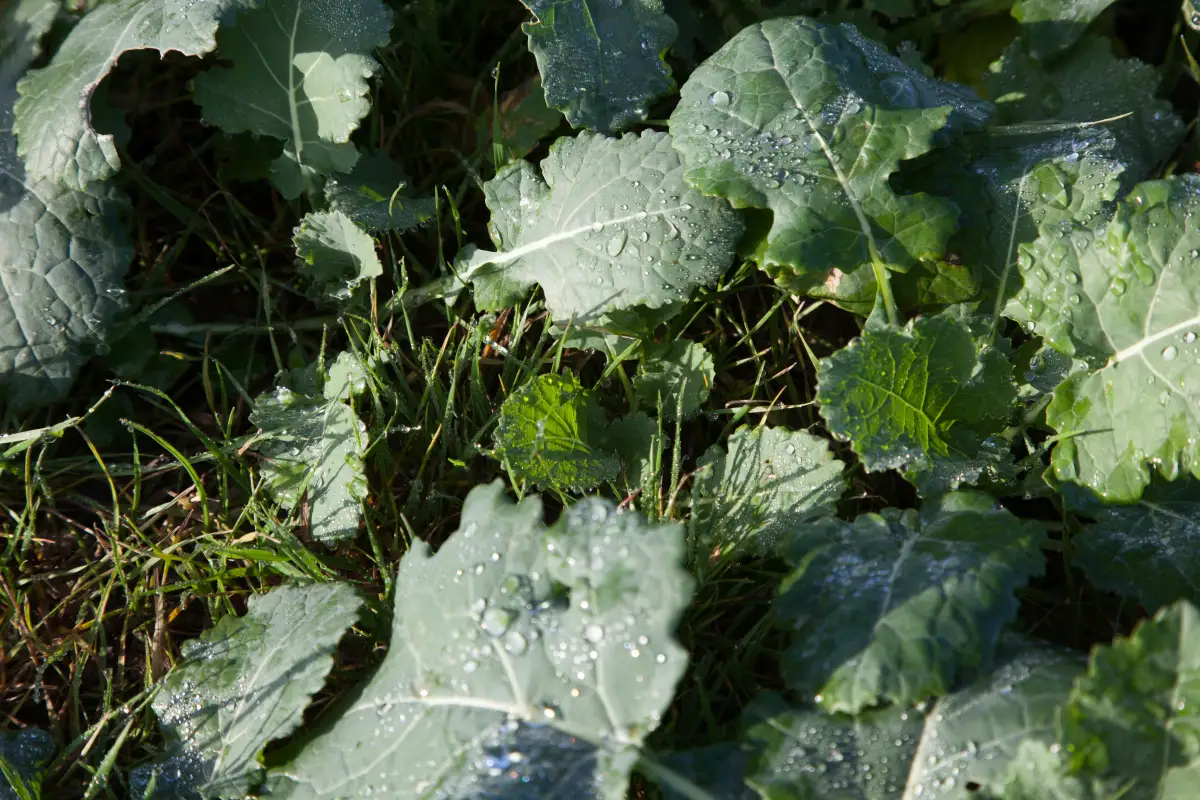
Black-grass growing amongst an oilseed rape crop

Protect Clethodim grassweed control from hard water with X-Change

Using Centurion Max in oilseed rape? Use a true water conditioner to protect performance.

X-Change + Centurion Max

Application timing, weed growth stage and growing conditions all matter when it comes to getting the best from Centurion Max in oilseed rape. But there is another factor that can influence performance before the spray even reaches the target – water quality.

Clethodim, the active ingredient in Centurion Max, is susceptible to hard-water antagonism. Current 2026 stewardship guidance advises growers to always apply with a water conditioner, making water quality an important part of the application decision.
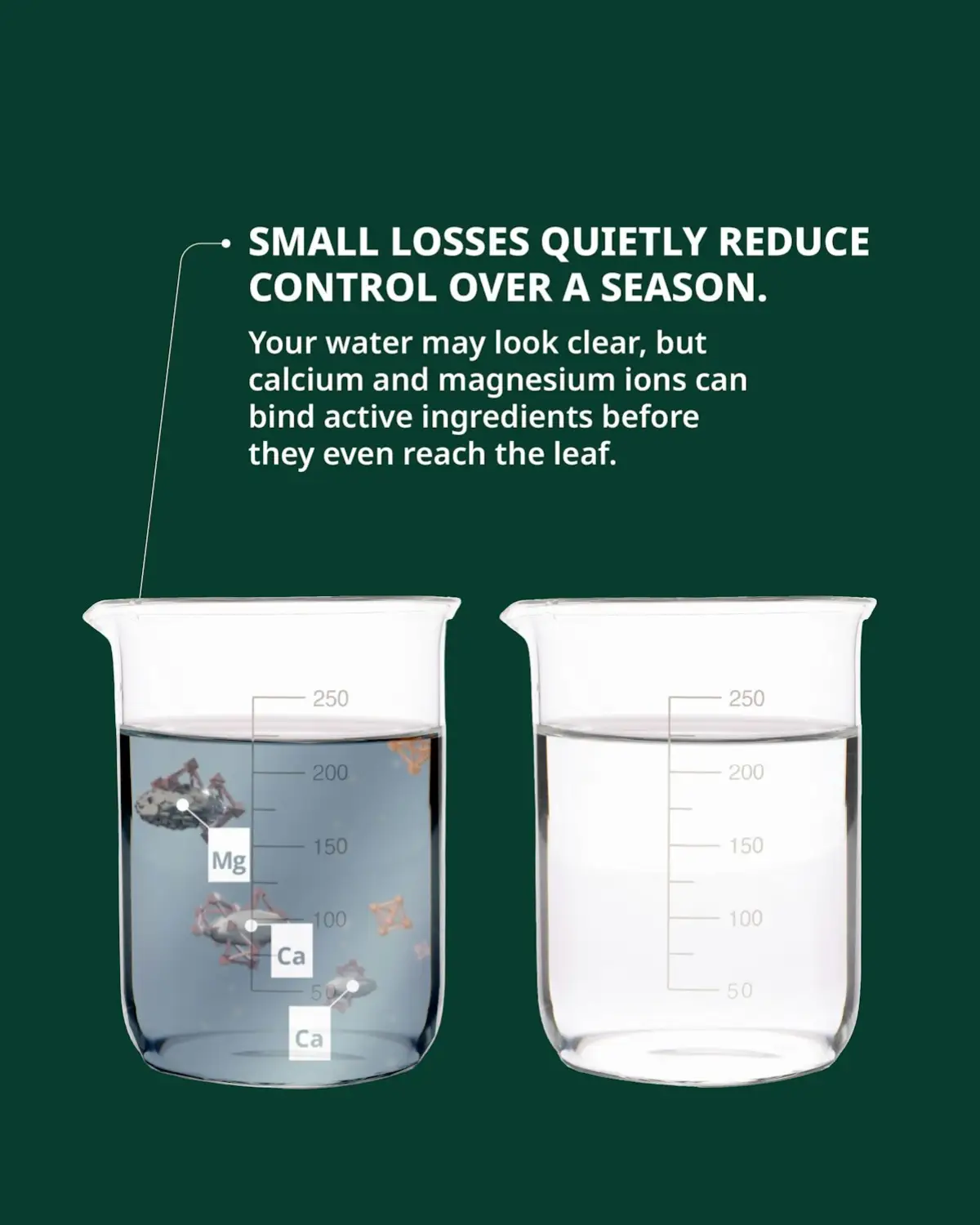
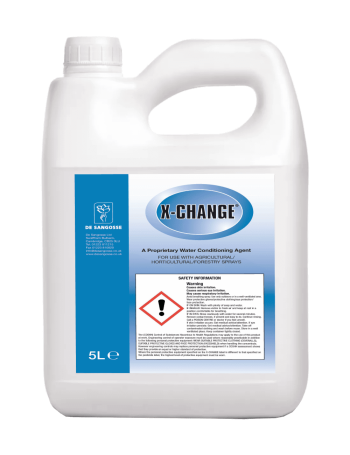
Illustration explaining how hard-water minerals can reduce herbicide performance

Why does hard water matter?

Clethodim is a weak-acid herbicide with a pKa of 4.47.

Hard water contains positively charged cations, particularly calcium (Ca²⁺) and magnesium (Mg²⁺).

These can interact with ionised clethodim in the spray solution, forming less soluble salts and reducing the amount of active ingredient available for uptake.

This is often referred to as herbicide ‘lock-up’.

The risk increases as water hardness rises, which is why knowing the quality of the water going into the spray tank matters.

Water-conditioning illustration showing calcium and magnesium ions

X-Change tackles both cation antagonism and pH

For optimum water conditioning, it isn't enough simply to alter spray-water pH.

X-Change tackles both sides of the problem.

Cation control: X-Change sequesters calcium and magnesium before they can interact with clethodim, helping prevent herbicide lock-up.

pH buffering: X-Change buffers spray water to approximately pH 4.5–5.0. This reduces clethodim ionisation and helps favour uptake through the leaf cuticle.

Together, these actions help create a more favourable spray solution and protect clethodim performance from tank to target.

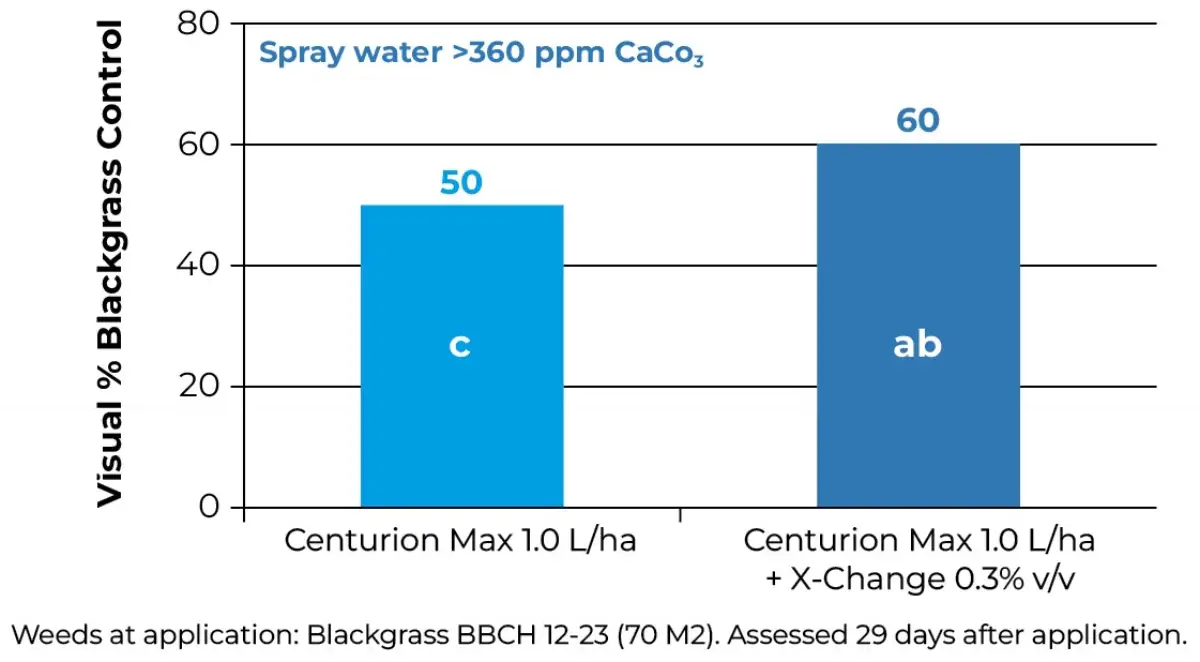
Trial results showing 50 percent black-grass control from Centurion Max alone and 60 percent with X-Change

Proven under hard-water conditions

The effect has also been demonstrated in independent field trials.

In trials conducted under hard-water conditions of more than 360 ppm CaCO₃, Centurion Max alone achieved 50% visual black-grass control at 29 days after application. With X-Change, control increased to 60%.

For agronomists working in hard-water areas, this reinforces the value of making water conditioning part of the clethodim recommendation.

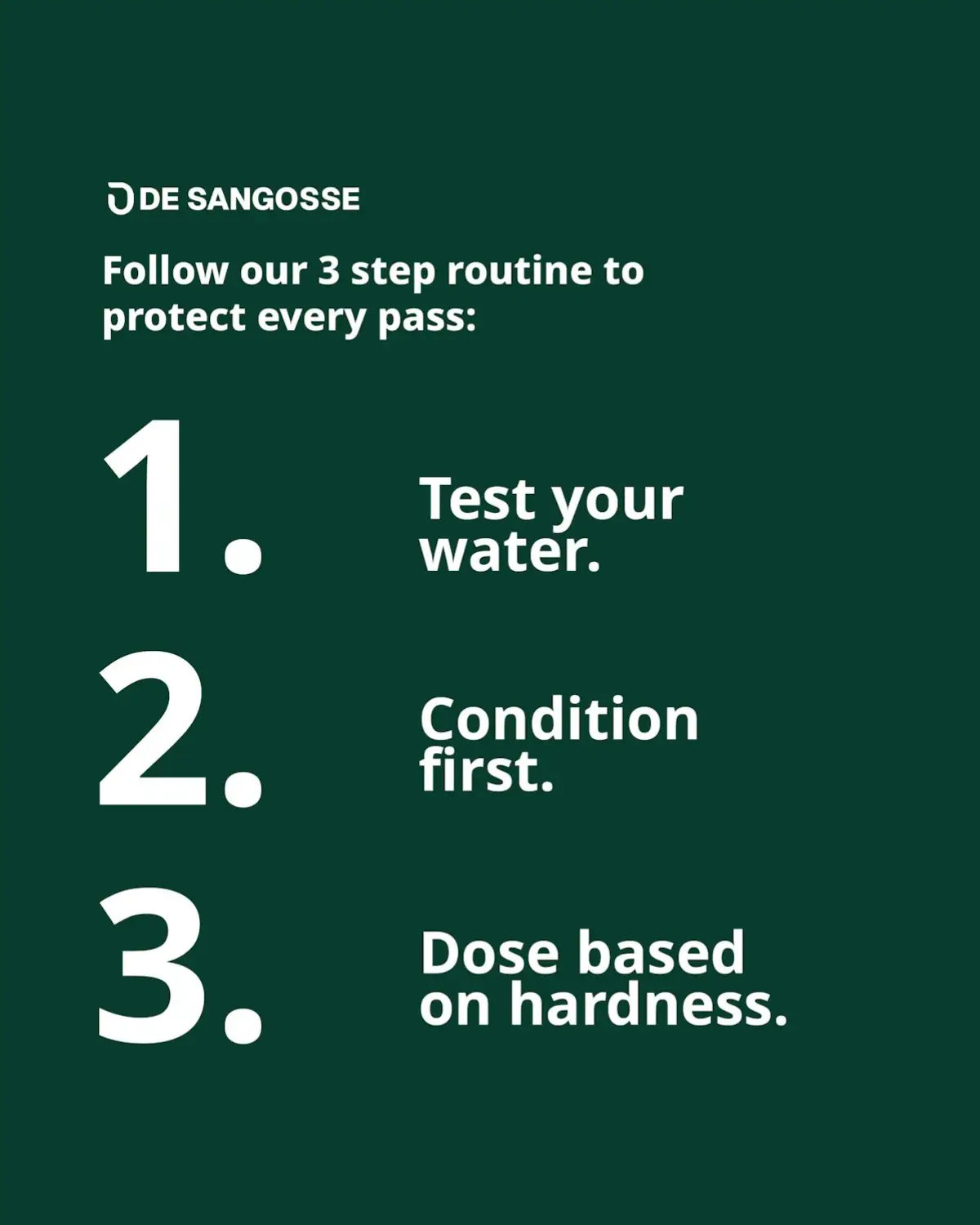
Three-step routine: test your water, condition first and dose based on hardness

Centurion Max + X-Change: 2026 stewardship & best-use advice

For applications this autumn:

  • Apply Centurion Max at 1.0 L/ha in a minimum 150 L/ha water.
  • For this season UPL has extended its supported use of Centurion Max to 31st October or the 6-true leaf stage of the crop, whichever comes first, reflecting the exceptionally mild autumn conditions and some backward, late re-drilled OSR crops.
  • All other stewardship recommendations, including tank mixes and spray intervals, remain unchanged. If very cold weather is forecast before the end of October, UPL may amend its support accordingly, so check the latest guidance before application.
  • Target black-grass from three leaves and actively growing for optimum coverage and uptake.
  • Check water hardness and dose X-Change accordingly.
  • Add X-Change FIRST, before Centurion Max, so that hard-water cations are sequestered and the spray water buffered before the herbicide enters the tank.
Operator preparing water beside an agricultural sprayer

Don't guess your water hardness

Water hardness can vary significantly between water sources, so the correct X-Change rate should be based on the water being used rather than assumption.

If you're not measuring, you're guessing.

Testing the water allows the X-Change dose to be matched to hardness and spray volume, ensuring the water is properly conditioned without unnecessary input.

Hard Water
(TDS ppm)
X-Change Rate
(% Spray Volume)
Very Hard Water
(TDS ppm)
X-Change Rate
(% Spray Volume)
<125 0.10% <425 0.30%
<200 0.15% <500 0.35%
<275 0.20% <575 0.40%
<350 0.25% <650 0.45%

Condition first. Protect performance.

Getting the best from Centurion Max means getting the whole application right – timing, weed growth stage, coverage and water quality.

Where hard water is being used, adding X-Change first provides cation control and pH buffering before clethodim enters the tank.

X-Change: Cation control. pH buffering. Condition first. Protect performance.

Always read and follow the product label and current Centurion Max stewardship guidance.

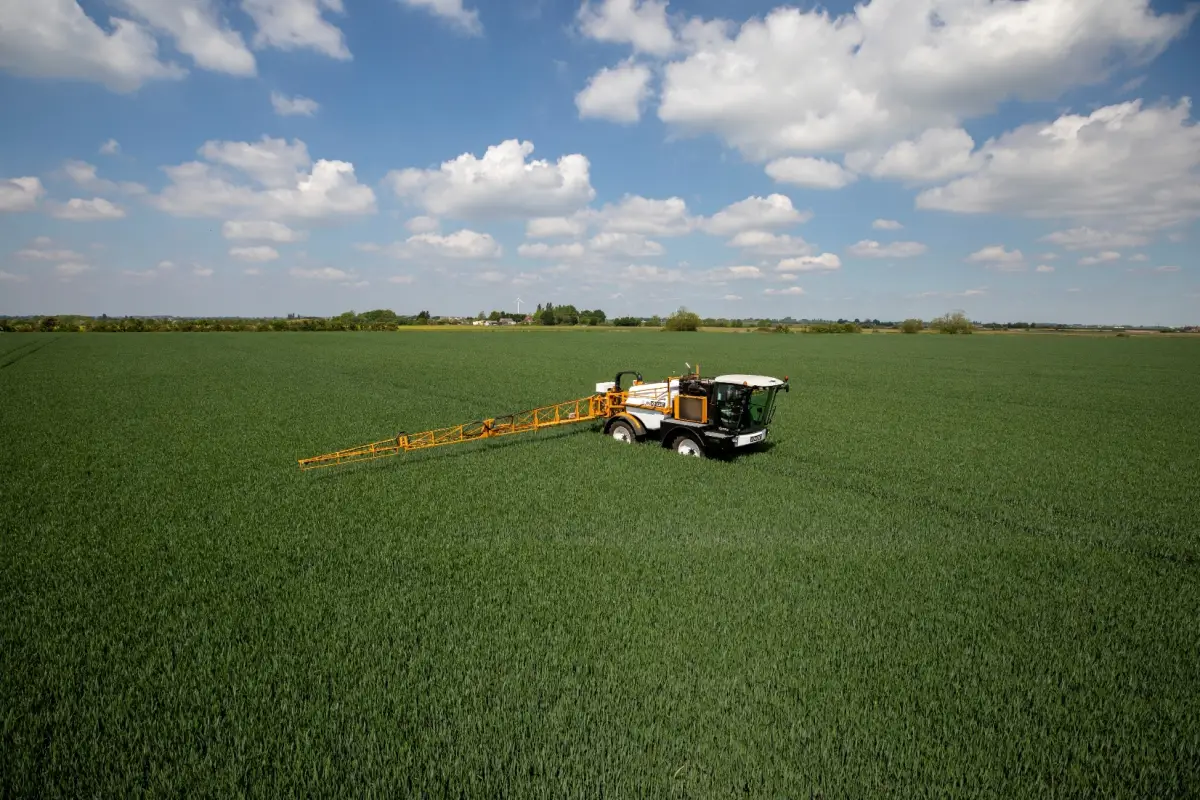
Agricultural sprayer working across a green crop

Protecting Herbicide Performance

You can learn more about the importance of hard water and its effect on herbicide performance in our Clean Water. Clean Kill. Hub. Click here to discover more.