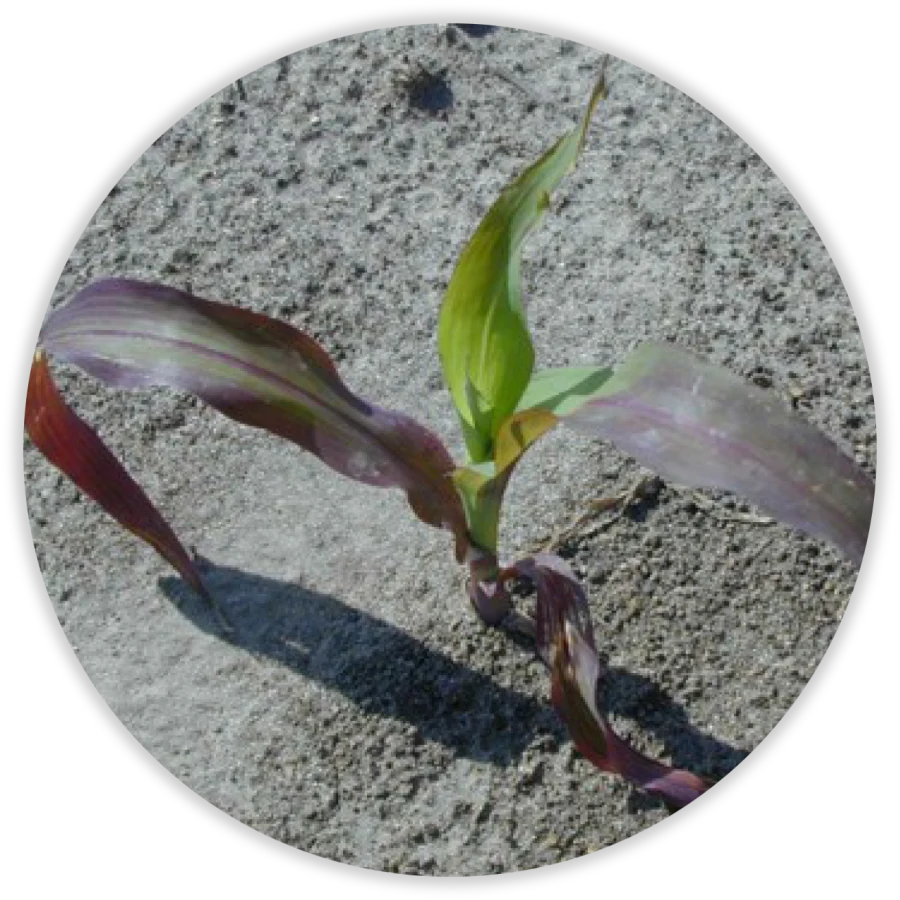
Only 10–20% of applied phosphate is typically taken up by the crop in the year of application.
Protect.
Place.
Unlock.
The Phosphate Stewardship Hub
The challenge isn’t simply how much phosphorus you apply.
It's how much the crop can access and use.
Phosphorus is essential for crop establishment, rooting and yield potential. Yet despite significant phosphorus reserves in many UK soils, crops can still struggle to access enough phosphorus when it matters most.
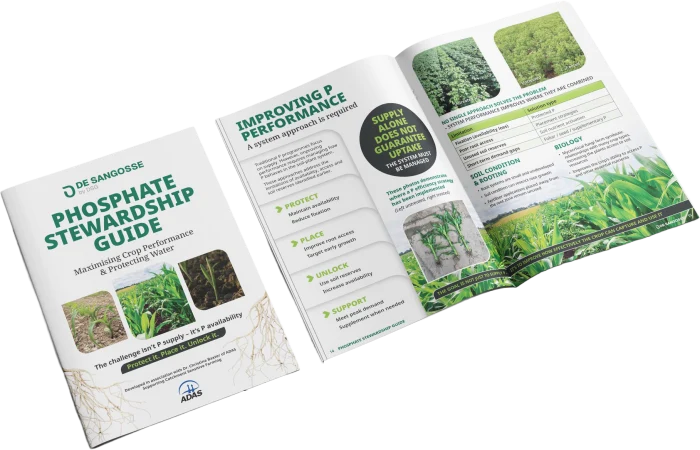
Developed in collaboration with ADAS, the De Sangosse Phosphate Stewardship Hub brings together independent research, field experience and practical guidance to help growers improve phosphate efficiency, support crop performance and protect water quality.
Download the ADAS-backed Phosphate Stewardship Guide
DOWNLOAD GUIDEThe Phosphate Challenge
If many UK soils already contain significant phosphorus reserves, why do crops still struggle to access enough phosphorus?
Only a small proportion of soil phosphorus is available to the crop at any one time. Availability is influenced by factors including soil chemistry, rooting, soil structure, moisture and biological activity.
The following stewardship journey explores why this happens – and what growers can do about it.
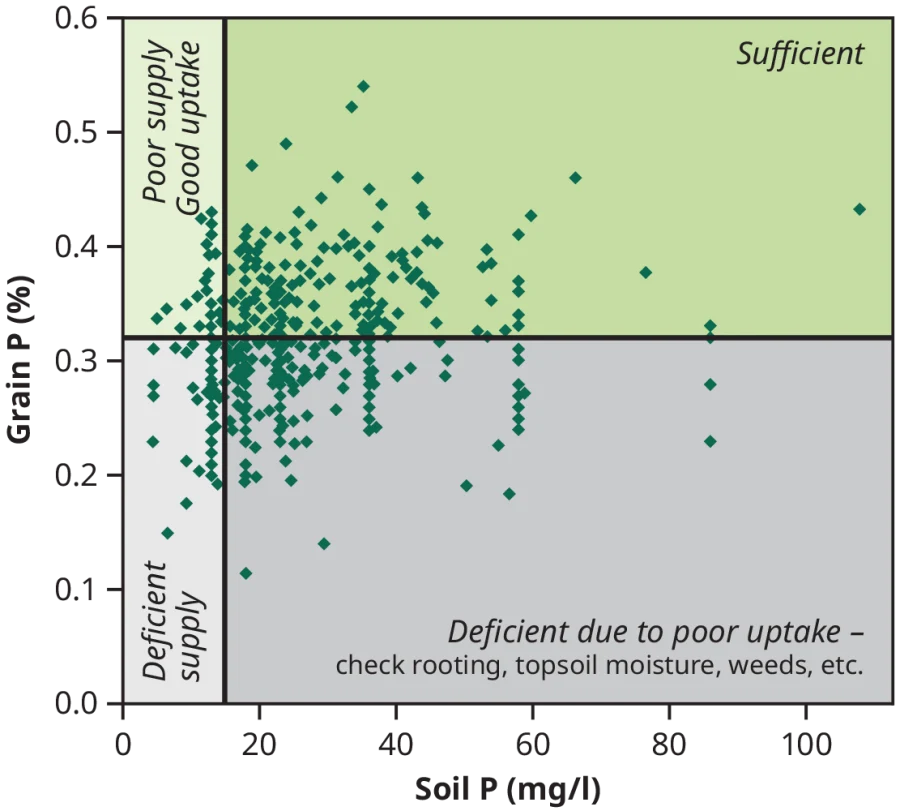
More than 60% of cereal crops fall below the critical grain phosphorus concentration — identified through ADAS Yield Enhancement Network analysis.
Many UK soils already contain substantial phosphorus reserves accumulated through historical applications.
Evidence From the Field
Data from the Yield Enhancement Network (YEN) shows:
- Over 60% of cereal crops fall below critical P concentration (0.32%)
- This suggests crop performance is being limited by poor uptake – not lack of supply
Start Here
Questions you need to answer
Before making phosphorus decisions, ask yourself:
- Did the previous crop capture enough phosphorus?
- Why isn't the crop accessing phosphorus?
- What is limiting uptake?
- What stewardship strategy is most appropriate?
- How can I improve productivity while protecting water?
The Phosphate Stewardship Journey will help you answer each of these questions.
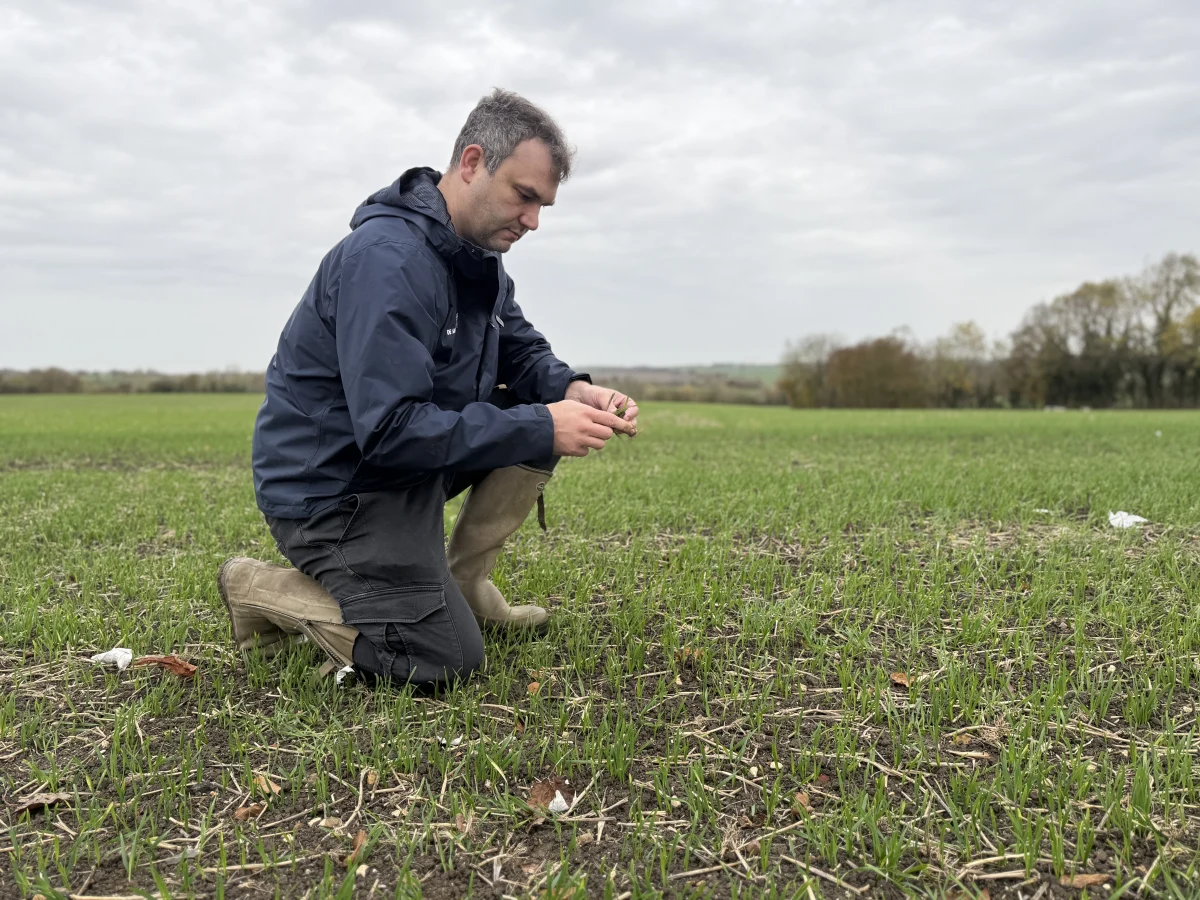
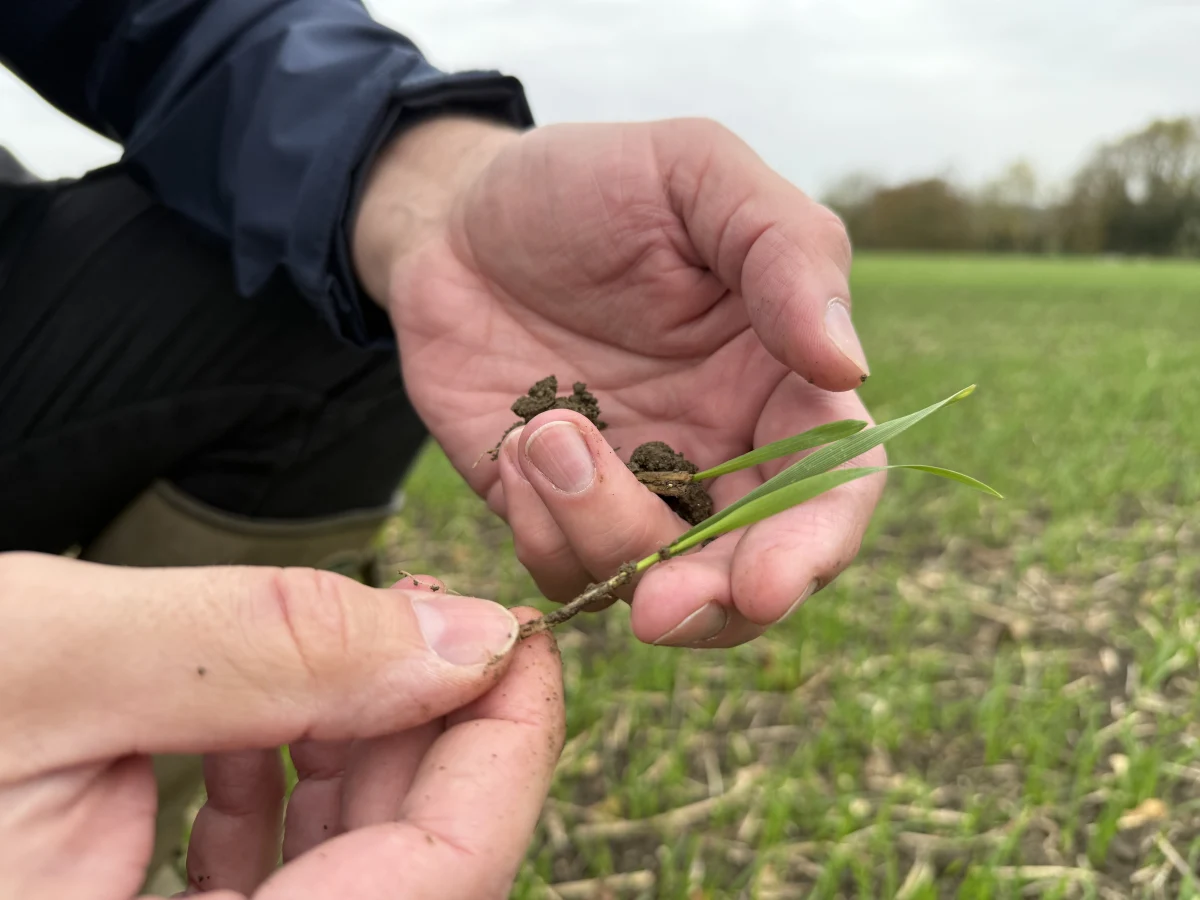
Could phosphorus be limiting crop performance?
Your Phosphate Stewardship Journey
Understand what the crop captured, identify what may be limiting uptake and explore practical stewardship approaches to improve phosphorus efficiency.
 Step 1
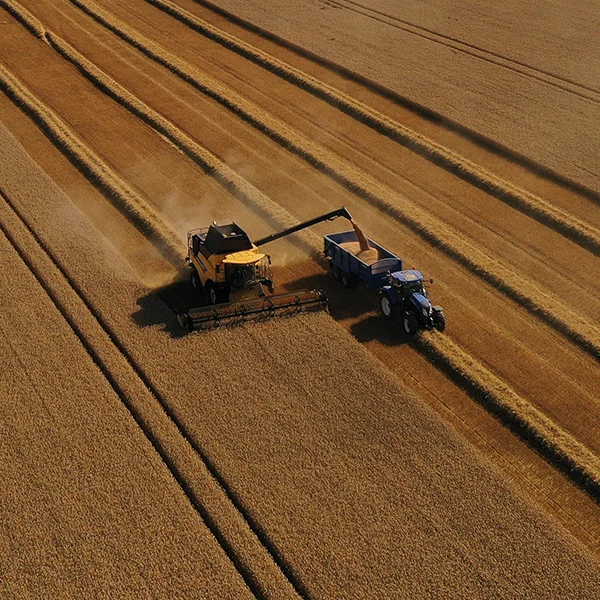
Review The Harvested Crop
What Harvest Can Tell You About Phosphorus Capture
Before deciding next season’s phosphorus strategy, understand what the previous crop actually captured. Explore grain analysis, calculate crop phosphorus offtake and review harvest performance to understand the role phosphorus may have played in crop performance.
Explore Harvest Review & Grain Analysis Step 2
Understand The Limitation
Why Isn’t The Crop Accessing Phosphorus?
The challenge is rarely supply alone. Learn how root access, phosphorus availability, soil chemistry and growing conditions influence crop uptake.
Understand The Science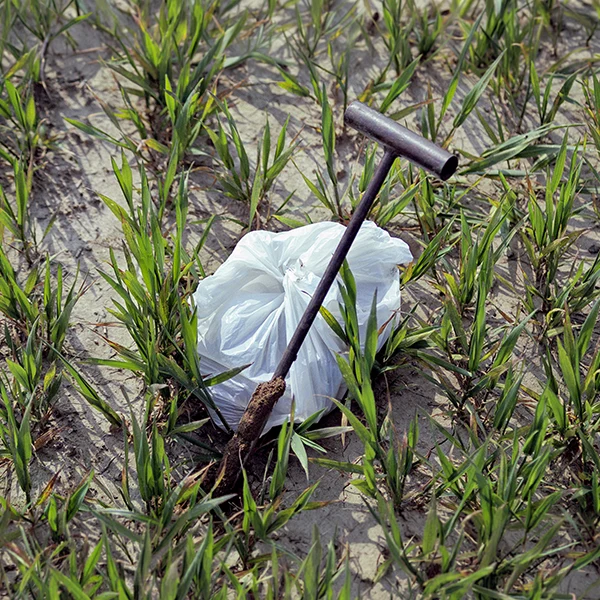 Step 3
Diagnose The Problem
Identify What’s Limiting Uptake
Bring together field observations, soil analysis, rooting assessments and crop performance to identify whether access, availability or soil reserves are limiting phosphorus uptake.
Identify The Limitation Step 4
Build A Strategy
Protect • Place • Unlock
Discover practical stewardship approaches that can help improve phosphorus efficiency on farm.
Explore The Framework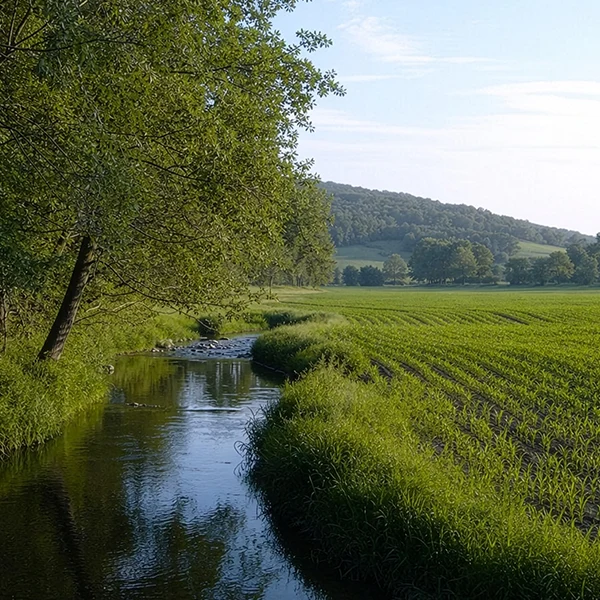 Step 5
Complete the Journey
Phosphate Stewardship
Bring the stewardship journey together and discover how improving phosphorus capture benefits both your crop and the wider environment.
Learn MoreProtect • Place • Unlock
Three stewardship principles. One objective. Improve phosphorus capture.
Protect
Maintain phosphorus availability
Place
Position phosphorus where developing roots can access it most effectively.
Unlock
Improve utilisation of phosphorus already present within the soil.
Successful stewardship begins by identifying the limitation before selecting the strategy.
Explore Soil Nutrient Solutions
Understanding the limitation is the first step. The next is selecting the right approach.
De Sangosse soil nutrient solutions are designed to help improve nutrient availability, root access and utilisation of existing soil reserves - supporting more efficient use and stronger crop performance.
The Phosphate Clinic
Putting phosphate stewardship into practice
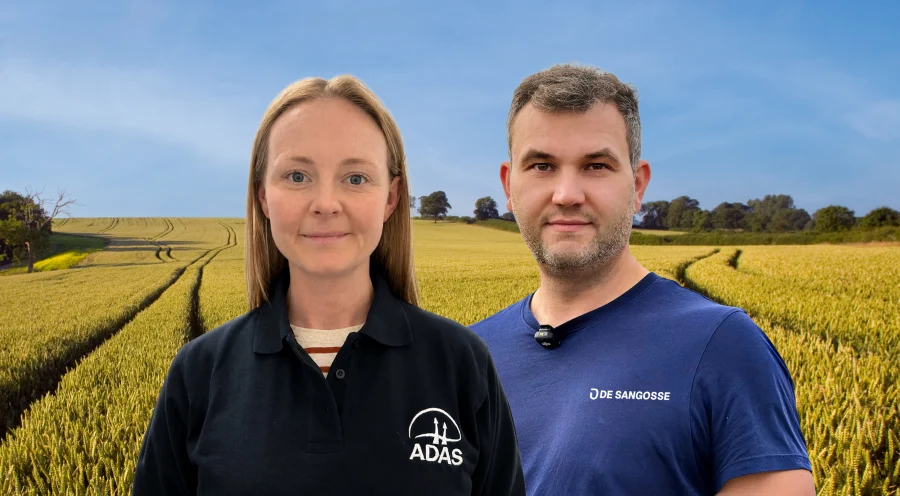
Join Dr. Christina Baxter, ADAS, and Rob Suckling, De Sangosse, as they work through the key questions behind better phosphate management.
EPISODE 1
What Did the Crop Actually Capture?
Using harvest and grain analysis to understand phosphorus uptake and offtake.

EPISODE 2
Why Isn't the Crop Accessing Phosphorus?
Understanding the role of access, availability and soil reserves.
EPISODE 3
Don't Guess. Diagnose.
Bringing together crop, soil and rooting evidence to identify what's limiting uptake.
EPISODE 4
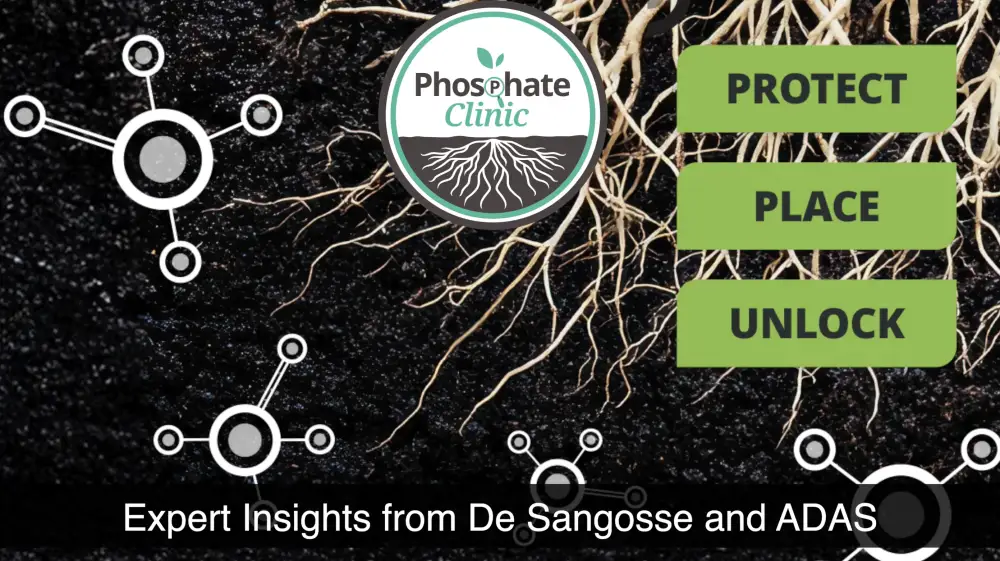
Protect • Place • Unlock
Matching the stewardship strategy to the limitation.
EPISODE 5
Better Uptake. Better Stewardship
Improving phosphorus efficiency while helping protect water quality.
Meet
The Experts

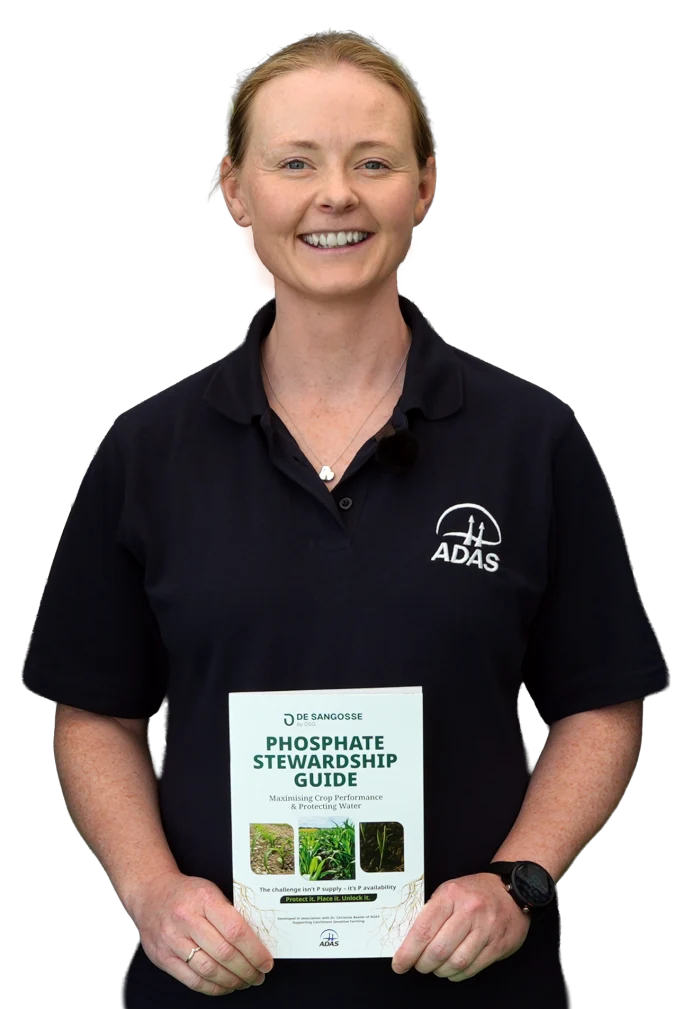
Dr Christina Baxter
Senior Research Scientist, ADAS
Providing independent expertise on phosphorus nutrition, crop requirements and evidence-based approaches to improving phosphorus capture.

Rob Suckling
Commercial Technical Manager, De Sangosse
Working with growers and agronomists to identify nutrient limitations and improve phosphate efficiency through practical stewardship approaches.
Ready to Improve Phosphate Efficiency?
Whether you're reviewing harvest performance, investigating poor phosphorus uptake or planning next season’s phosphorus strategy, the ADAS-backed Phosphate Stewardship Guide provides practical, evidence-based guidance to support better phosphorus decisions from field to water.
Download the guide and start your stewardship journey.