What Did The Crop Actually Capture?
Most phosphorus decisions begin with:
- Soil analysis
- Soil phosphorus indices
- Fertiliser planning
All of these are important.
However, one question is often overlooked.
Every harvested crop removes phosphorus from the field.
Knowing how much phosphorus has been removed helps answer one of the most important stewardship questions:
Did the crop capture the phosphorus it needed to achieve its potential?
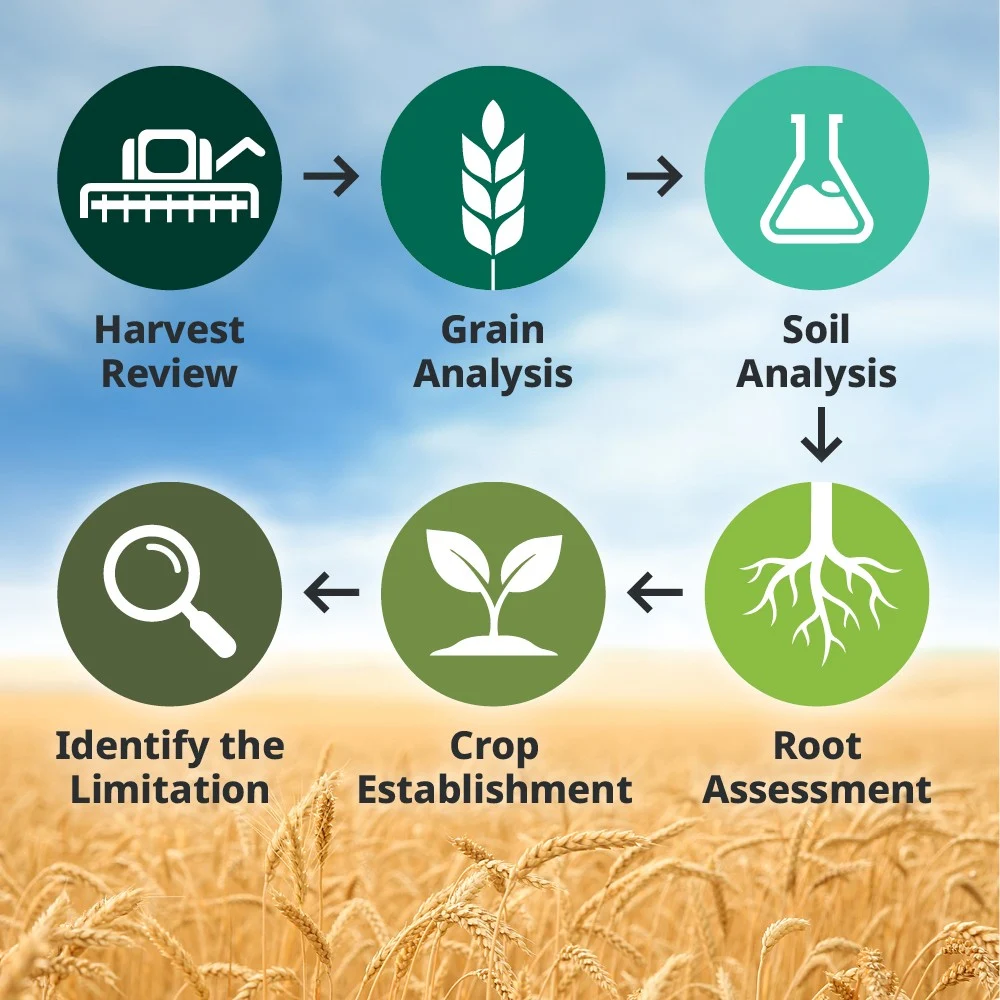
Harvest therefore provides an opportunity to review not only crop performance, but also nutrient use efficiency before making phosphorus decisions for the following season.
Combined with grain analysis, soil analysis and field observations harvest becomes one of the most valuable tools for improving phosphate stewardship.
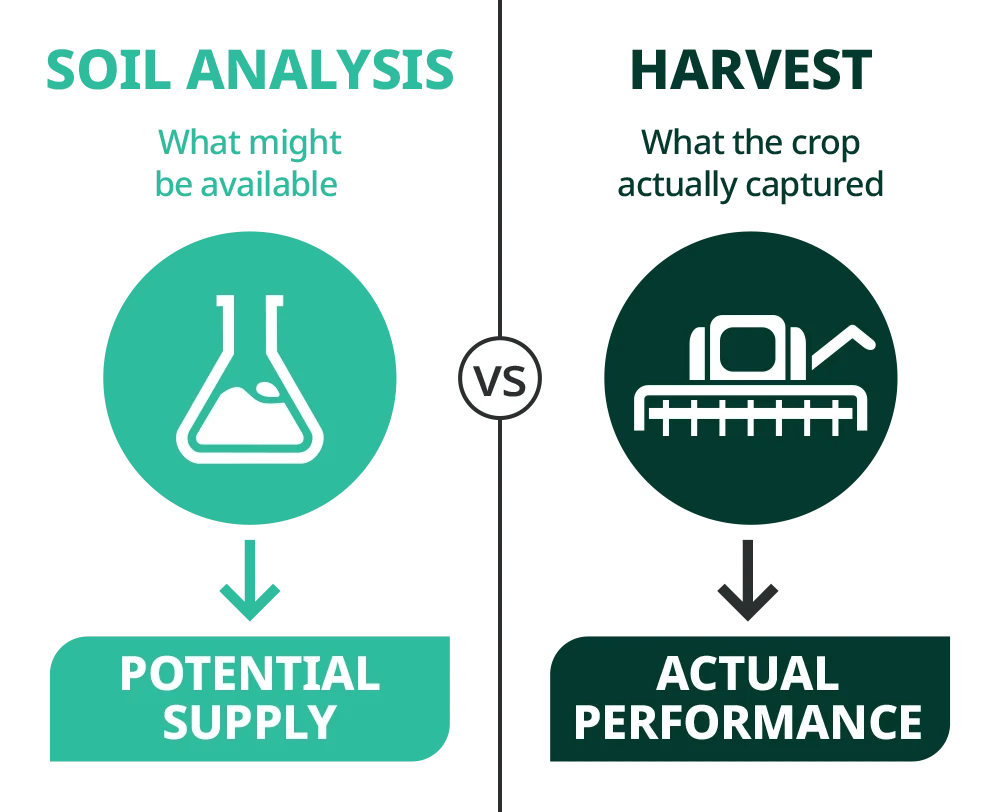
Soil tests tell us what might be available.
Harvest helps us understand what the crop actually captured.
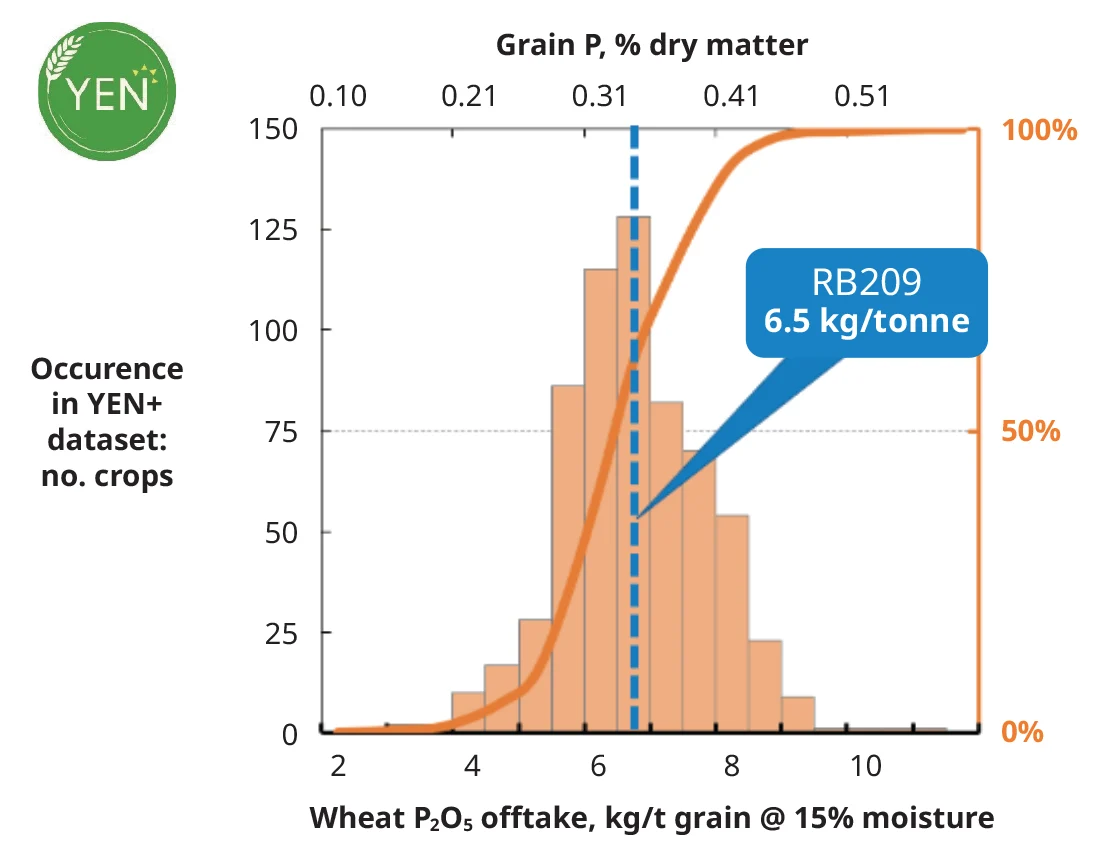
Research from YEN has shown significant variation in grain phosphorus concentration between crops grown on similar soil phosphorus indices.
This suggests that phosphorus capture is influenced by more than soil phosphorus supply alone. Understanding why those differences occur is the next step towards improving phosphate efficiency.
Turning Harvest into Evidence
Grain analysis provides one of the clearest measures of crop phosphorus capture.
Used alongside harvested yield, soil analysis and field observations it helps growers:
Good phosphorus decisions are based on evidence not assumptions.
Understanding phosphorus offtake helps quantify how much phosphorus has been removed from the field and provides valuable information for future nutrient planning.
Step 1
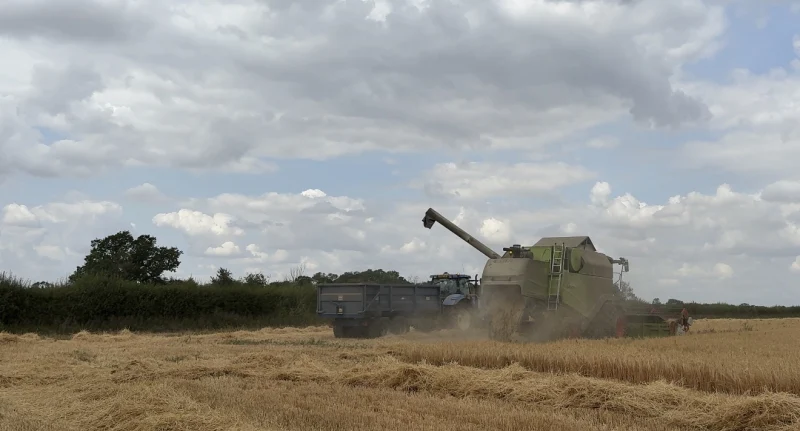
Accurate yield data provides the foundation for estimating phosphorus removal.
Step 2
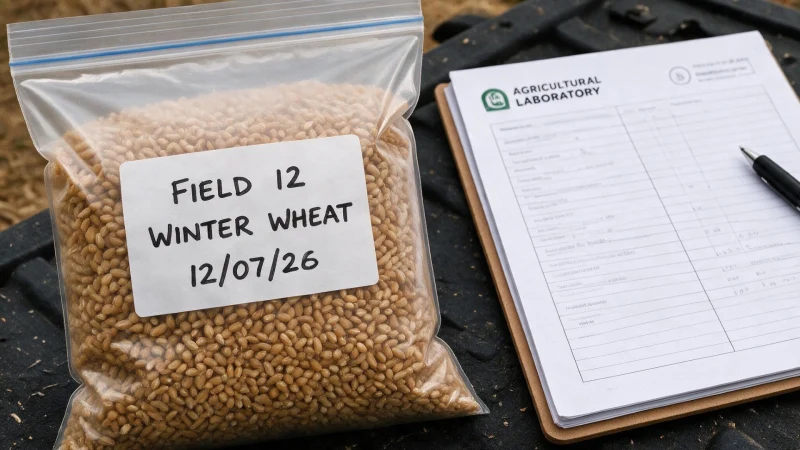
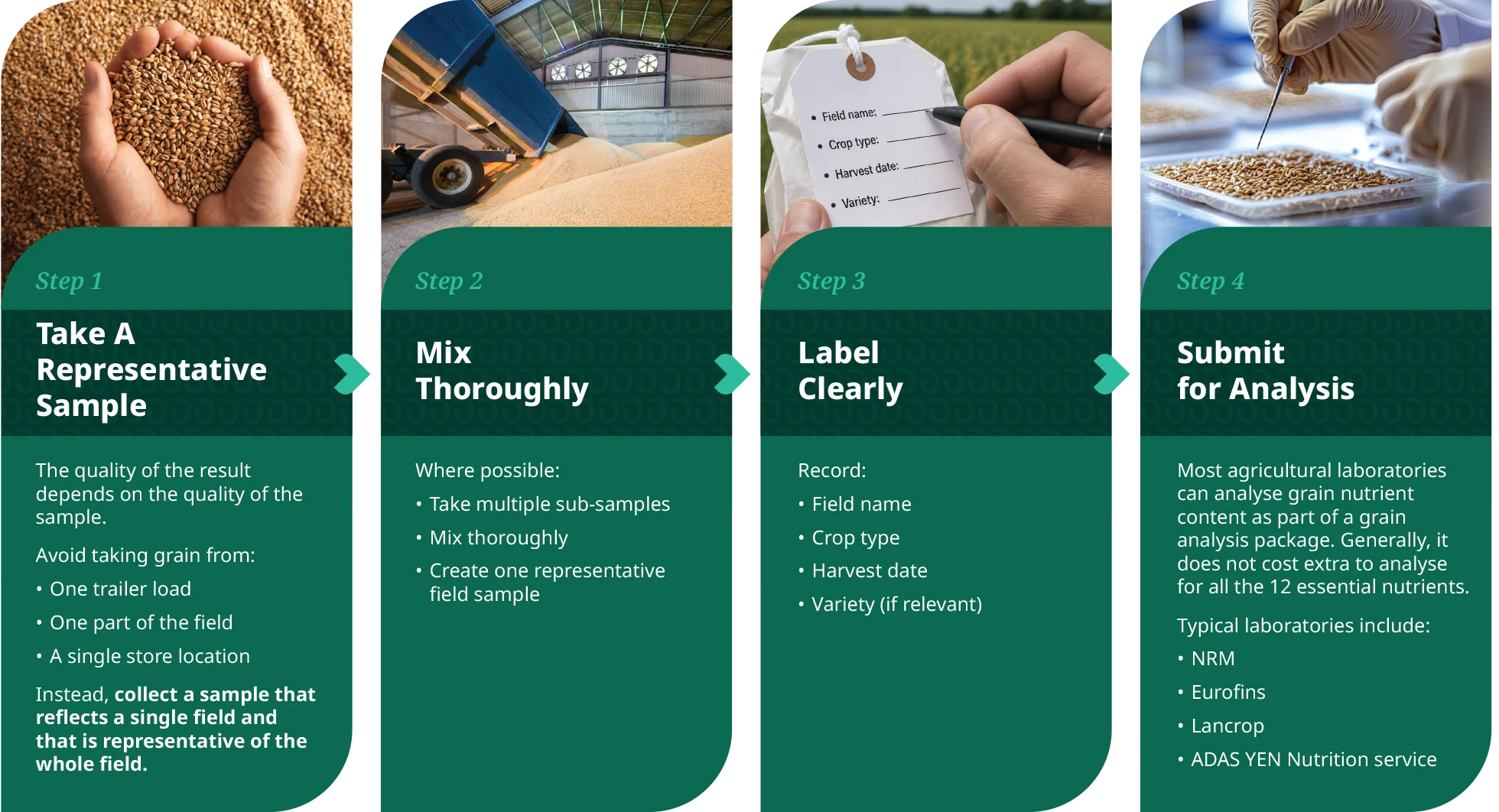
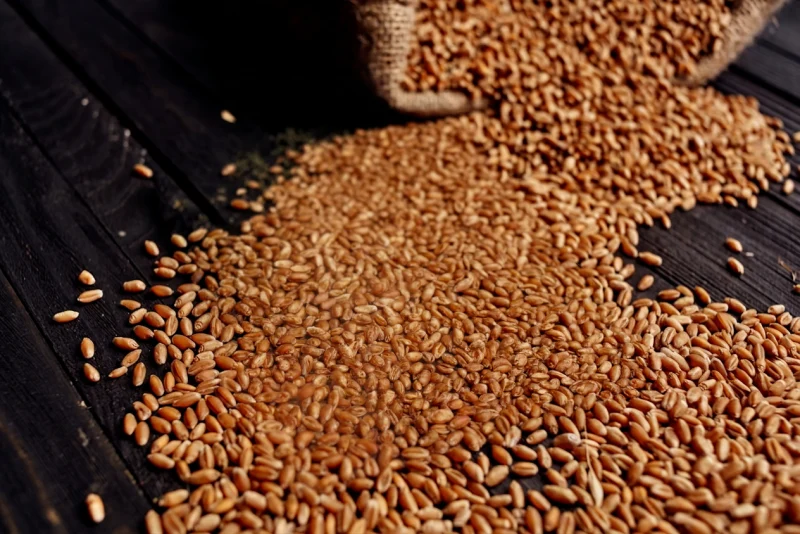
Collect grain from several points during unloading or from different areas of the trailer to produce one representative sample for the field. Label each sample clearly before submitting it for laboratory analysis.
The calculation:
[(Yield × P concentration in the grain)
Multiply by 19.5
(to convert to P2O5)]
Plus
[Yield × straw offtake value (RB209 average)]
Equals P2O5 offtake in kg/ha
Step 3
Use the laboratory phosphorus concentration you get back from the grain analysis, together with harvested yield to calculate crop phosphorus removal. Use the average phosphorus content in straw from RB209.
P Offtake (kg P2O5/ha)
= Yield (at 15% moisture) X P content in grain & straw
Winter wheat at 0.32% gain P
| Steps | Calculation | P2O5 |
|---|---|---|
| Calculate grain phosphate offtake (kg P2O5/ha) | t/ha fresh yield (15% moisture) × Grain P% × 19.5 | 9.0 × 0.32 × 19.5 = 56 |
| Calculate straw phosphate offtake (kg P2O5/ha) | t/ha fresh yield (15% moisture) × 0.5 (average offtake from RB209) | 9.0 × 0.5 = 4.5 |
| Calculate total phosphate offtake (kg P2O5) | Grain + Straw offtake | 56 + 4.5 = 60.5 |
Step 4
Review phosphorus removal alongside:
This helps identify whether phosphorus capture met crop demand and informs future nutrient planning.
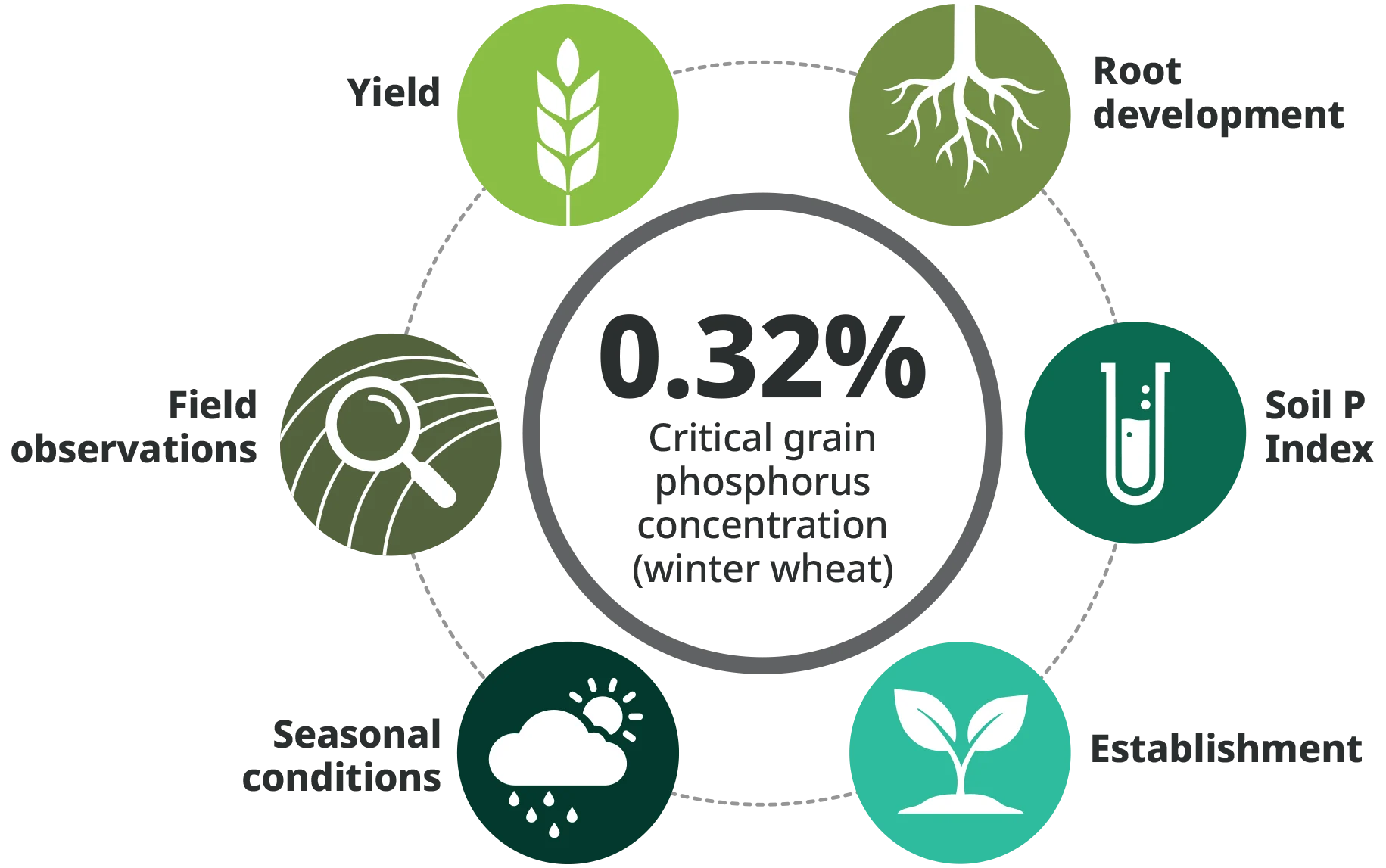
ADAS analysis has identified a critical grain phosphorus concentration of approximately 0.32% P in winter wheat
This provides a useful benchmark when reviewing crop phosphorus capture.
However, grain analysis should never be interpreted in isolation.
Consider the result alongside:
Together these provide a much clearer understanding of phosphorus performance.
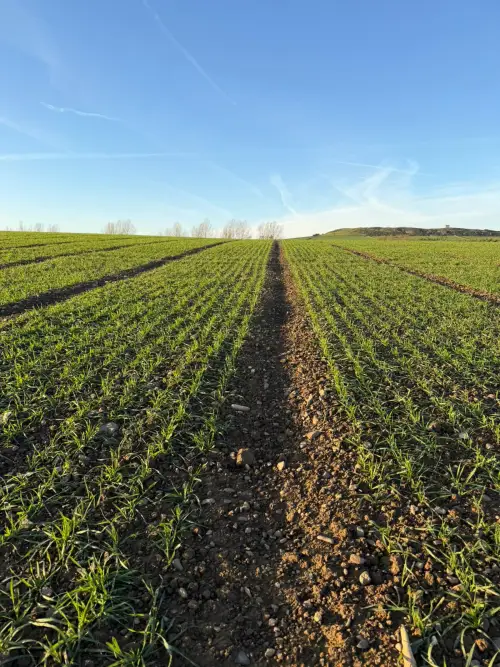
A low result doesn't automatically mean more phosphorus is needed.
One of the biggest mistakes in phosphorus management is assuming that low crop phosphorus capture automatically means more phosphate fertiliser should be applied.
Instead, ask:
These questions often provide greater insight than increasing application rates alone.
Prefer to Watch?
Episode 1 | What Harvest Can Tell You About Phosphorus Capture
Join Dr Christina Baxter (ADAS) and Rob Suckling as they discuss how harvest can be used to assess phosphorus capture, calculate crop offtake and support better phosphorus decisions for the following season:
In this episode you’ll learn:

Harvest provides the evidence.
The next step is understanding why crops can struggle to access phosphorus, even where soil phosphorus supply appears adequate.
Discover how phosphorus availability, root access and soil phosphorus reserves influence crop performance.
Continue to Step 2: