
Download The Phosphate Stewardship Guide
Explore the science behind phosphorus uptake, availability and stewardship.
Download The GuideThe challenge isn't always phosphorus supply.
It's phosphorus accessibility, availability and utilisation.
Many UK soils already contain sufficient phosphorus reserves to meet crop requirement. Yet crops can still struggle to access enough phosphorus to reach their yield potential.
This means a crop can be growing in a soil that contains adequate phosphorus supply while still exhibiting phosphorus limitation.
Understanding why this happens is the first step towards improving efficiency of phosphate inputs.
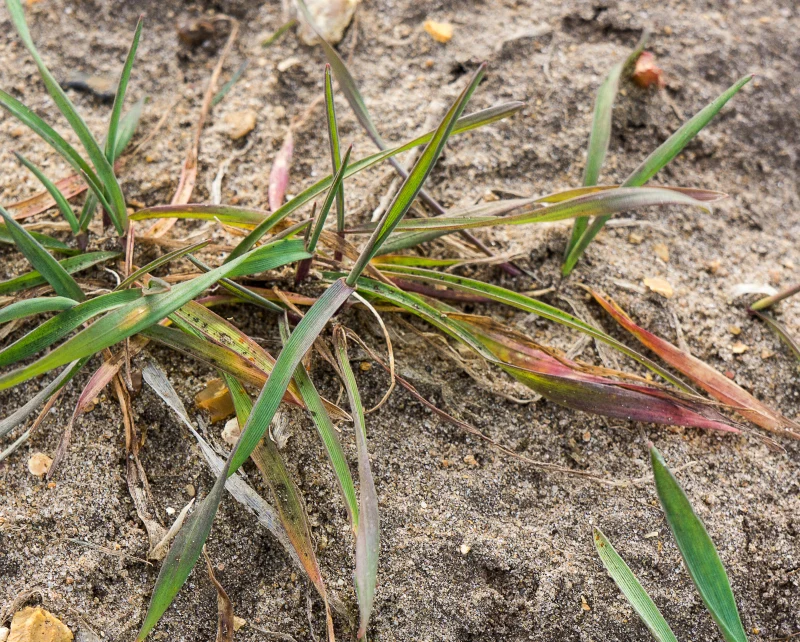
Three factors determine phosphorus capture.
Successful phosphate stewardship begins by understanding what is limiting crop uptake:
Each of these limitations can restrict crop performance, even when soil phosphorus levels appear adequate.
Limitation 1: Access
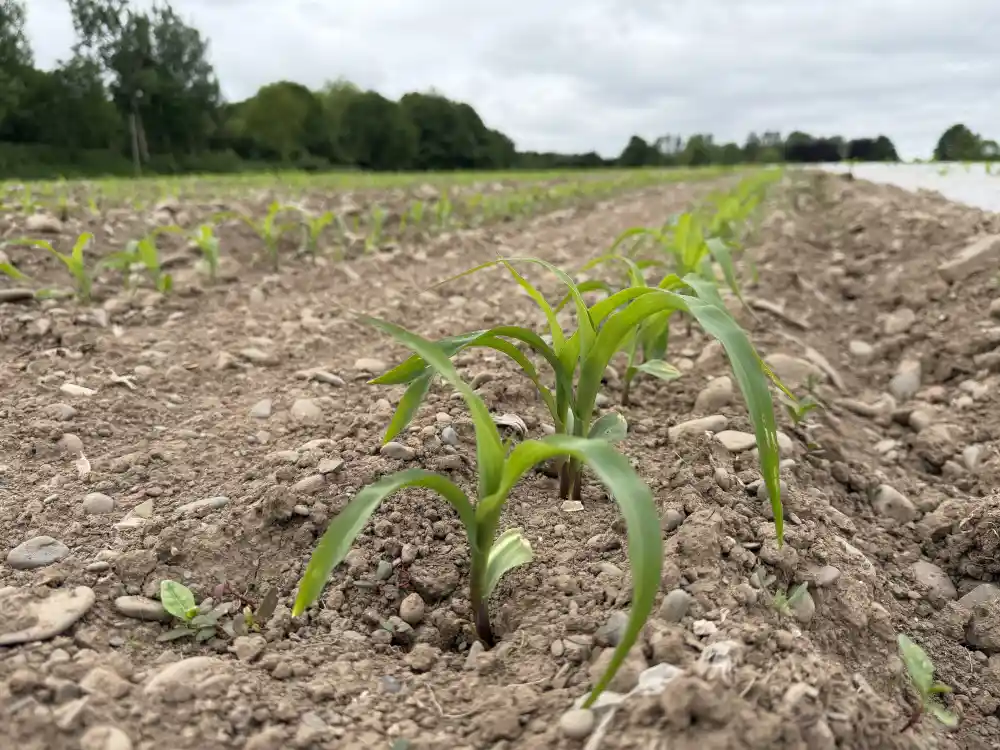
Unlike nitrogen, phosphorus remains close to where it is placed.
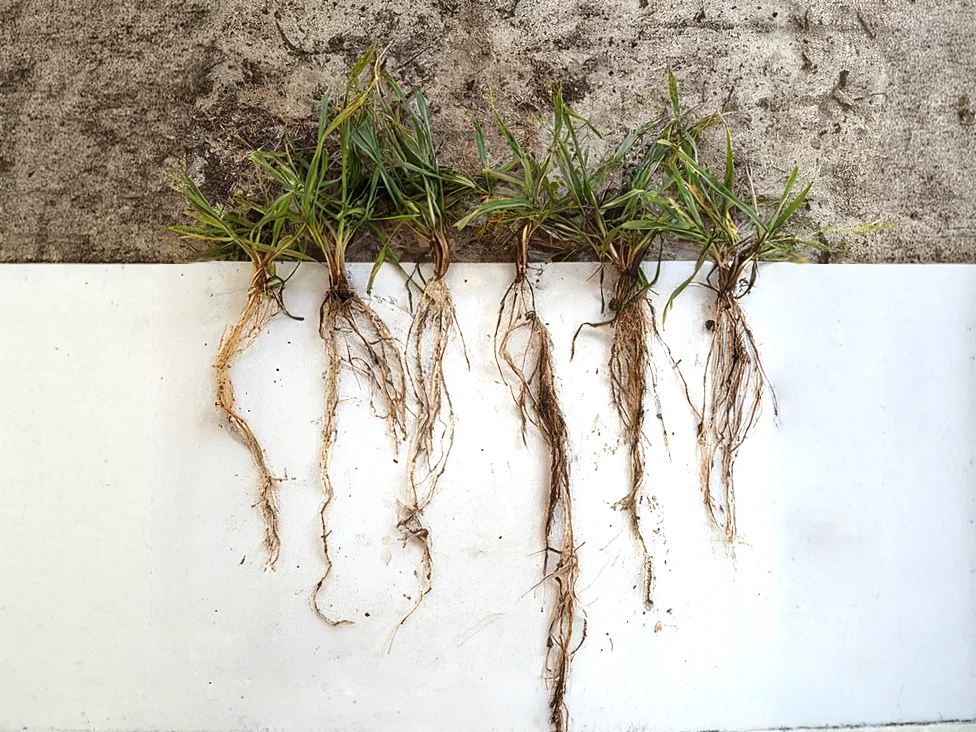
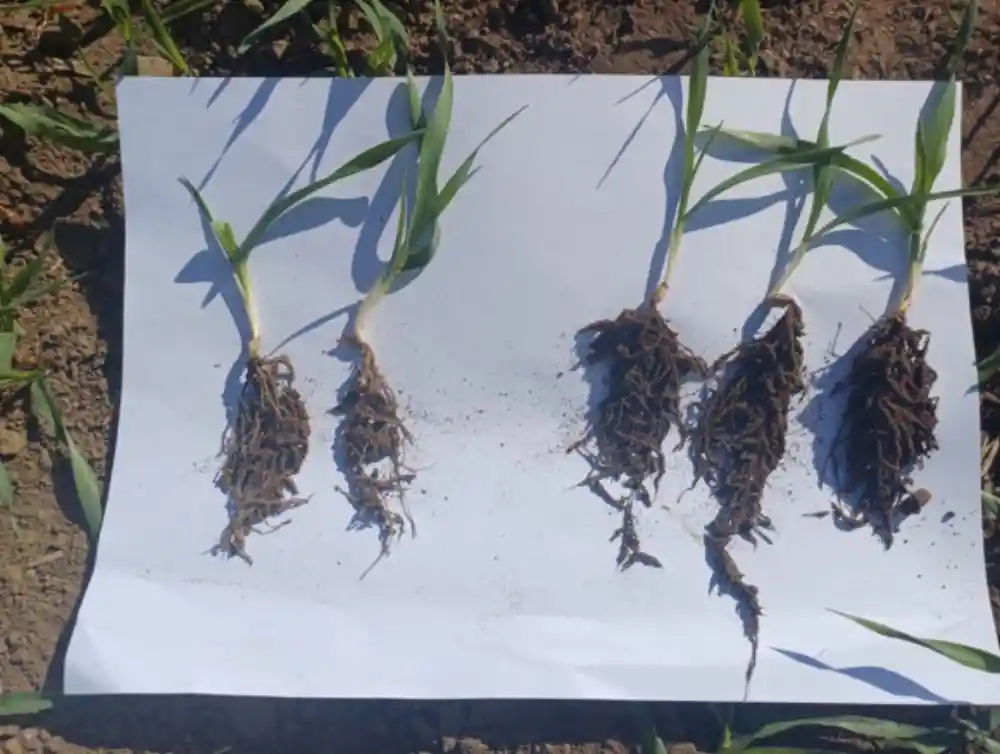
Root development is therefore critical. If roots cannot explore the soil effectively, they cannot intercept enough phosphorus to meet crop demand. Anything that restricts rooting can reduce phosphorus uptake.
Root access – not total phosphorus supply – is often the factor limiting crop uptake.
Limitation 2: Availability
Even when phosphorus is applied correctly and soil reserves are present, it does not remain freely available indefinitely.
Only a small proportion of total soil phosphorus exists within the soil solution where it can be taken up plant roots.
Following application, phosphorus naturally reacts with soil minerals and continuously cycles between plant-available, fixed and organic forms.
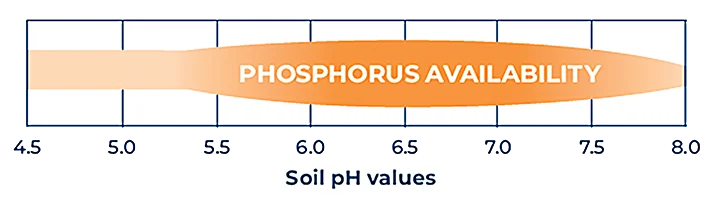
Availability is generally optimised around pH 6.5–7.0.
When soluble phosphate fertilisers enter the soil, they react with naturally occurring cations:
The result? Fertiliser remains in the soil, but crops can’t access it without help.
Limitation 3: Soil Reserves
Many UK soils contain substantial phosphorus reserves accumulated through decades of fertiliser and manure applications.
Much of this phosphorus exists in forms that are not immediately available to the crop.
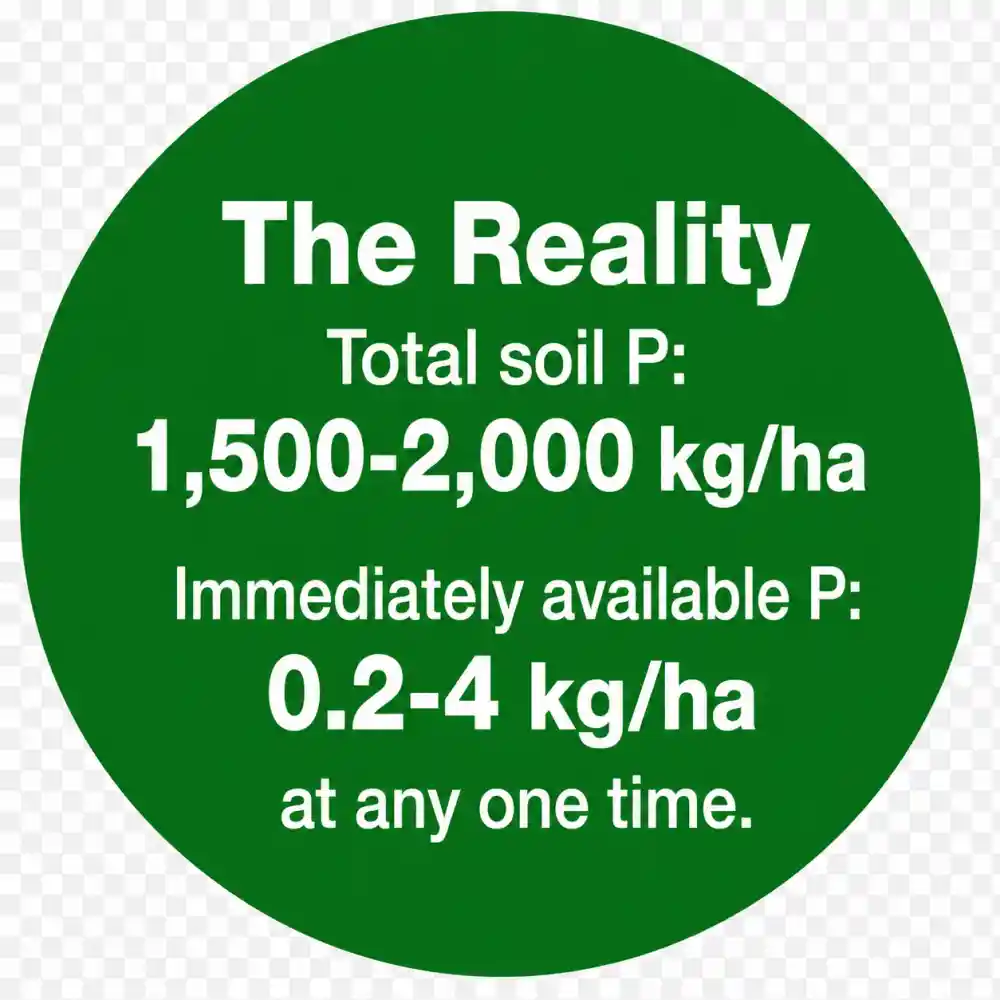
Repeated phosphate applications can build substantial soil phosphorus reserves over many years.
These legacy reserves represent an opportunity to improve utilisation – not simply apply more phosphate.
One of the biggest misconceptions in phosphorus management is:
"A good soil phosphorus index guarantees good crop performance."
In reality, soil indices indicate potential phosphorus availability, not whether the crop successfully captured phosphorus during the growing season.
They do not measure:
This helps explain why crops growing on similar phosphorus indices can perform very differently.
Poor phosphorus performance is rarely caused by a single factor.
It is usually the result of interactions between:
Prefer to Watch?
Episode 2 | Why Isn't the Crop Accessing P
Watch Dr Christina Baxter and Rob Suckling explain why crops can struggle to access phosphorus, even where soil supply appears adequate.
In this episode you’ll learn:
Understanding the science is only the first step.
Next, learn how to use grain analysis, soil testing, root assessments and field observations to identify which limitation is affecting your own fields.
Continue to Step 3:
Explore the science behind phosphorus uptake, availability and stewardship.
Download The Guide